


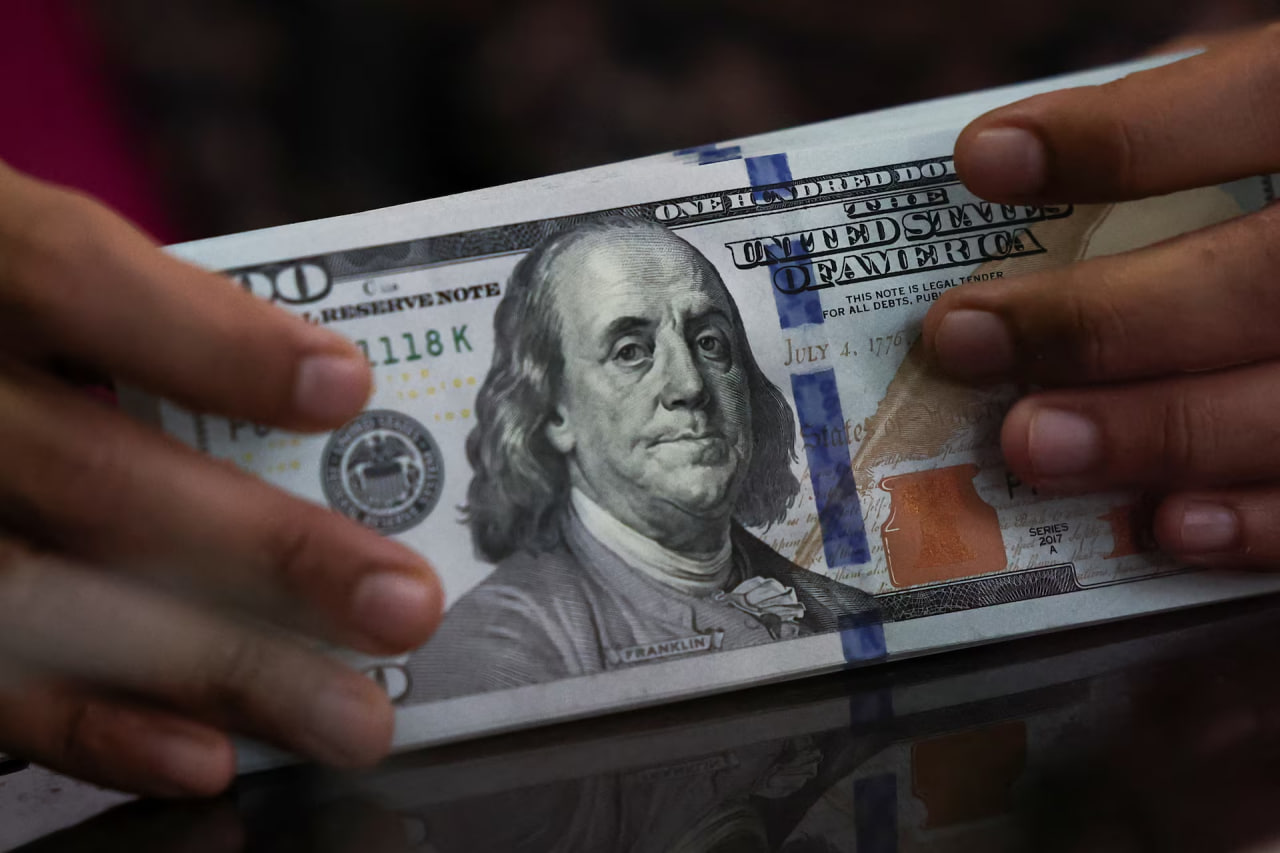
US dollar weakens as Fed decision expectations and Middle East tensions drive shifts in global currency markets and oil prices.
US dollar weakens as global markets enter a cautious phase ahead of a key policy decision by the Federal Reserve. The shift reflects changing investor sentiment driven by geopolitical developments in the Middle East and expectations around interest rate direction.
Traders are adjusting positions as uncertainty surrounds global growth, inflation, and energy supply risks. This combination has reduced demand for the dollar as a safe haven, leading to a mild pullback in its value.
US Dollar Weakens as Middle East Tensions Shift
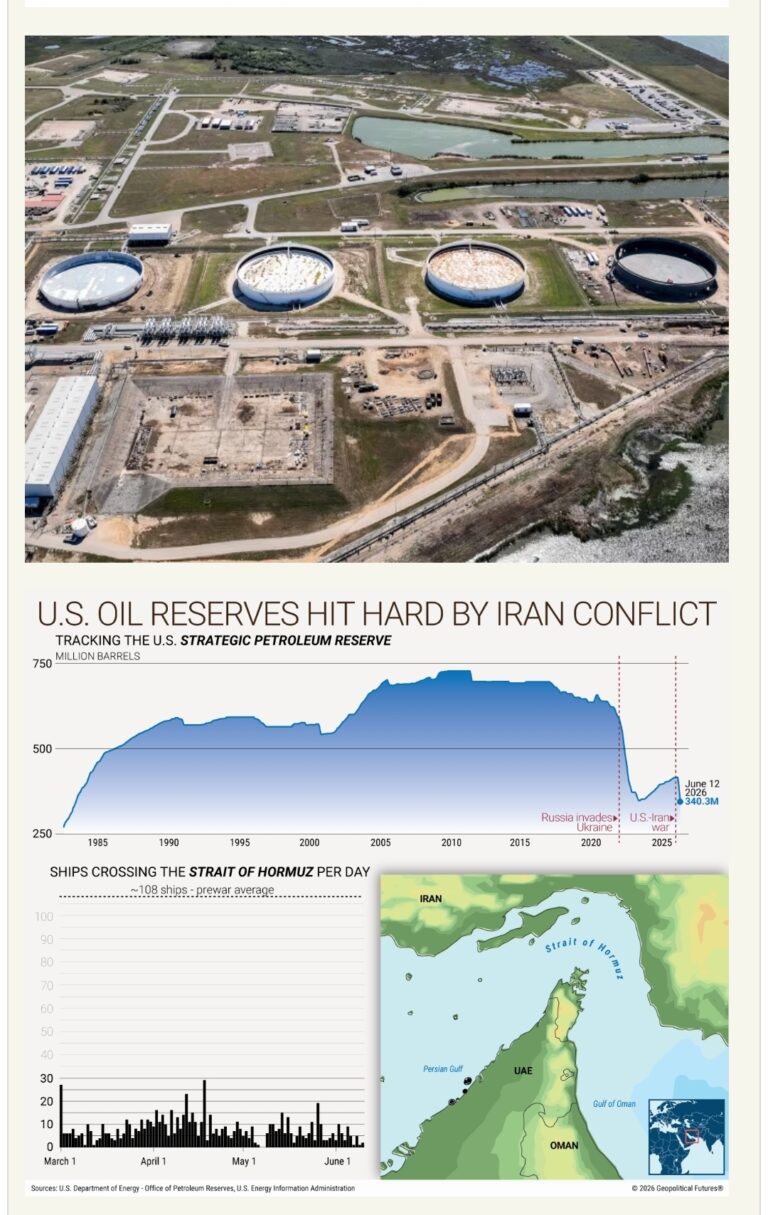
US dollar weakens further as geopolitical signals from the Middle East begin to change. Reports of renewed diplomatic engagement around the Strait of Hormuz have introduced cautious optimism into global markets.
This region remains critical to global energy supply, accounting for a significant share of oil and gas shipments. Any disruption or easing of tensions directly affects investor confidence and market direction.
Oil prices reacted quickly to these developments. Brent crude rose by about 1 percent to $106.40 per barrel, highlighting continued sensitivity to geopolitical risk. Rising oil prices often increase inflation concerns, which in turn influence currency movements.
Market Data Reflects Sentiment Shift
Recent market data confirms that the US dollar weakens as investors reassess risk. The dollar index, which tracks the currency against a basket of major currencies, fell by 0.3 percent to 98.32.
At the same time, the Japanese yen traded near 159.17 per dollar, staying close to a key psychological level. These movements suggest that investors are gradually reducing safe haven positions that had previously supported the dollar.
Market participants are also pricing in a likely pause in interest rate adjustments by the Federal Reserve. This expectation has contributed to the softer tone in the currency market, as higher rates typically strengthen the dollar.
READ ALSO: Nigeria External Reserves Decline by $731 Million in April 2026
US Dollar Weakens Amid Fed Policy Expectations
US dollar weakens as attention shifts to the upcoming Federal Reserve meeting. Analysts widely expect the central bank to maintain current rates rather than pursue aggressive tightening.
This cautious outlook reflects a balancing act between controlling inflation and supporting economic growth. A pause in rate hikes often reduces the appeal of the dollar, especially when combined with improving global risk sentiment.
Insights from institutions like the International Monetary Fund suggest that global monetary policy coordination remains a key factor influencing currency stability.
US Dollar Weakens and Implications for Nigeria
US dollar weakens, but the impact on Nigeria remains mixed. In theory, a softer dollar should ease pressure on emerging market currencies like the naira. However, domestic economic conditions continue to play a larger role.
The naira recently traded around N1,361.5 per dollar, reflecting ongoing pressure in the foreign exchange market. Factors such as declining reserves and sustained demand for foreign currency continue to weigh on the local currency.
Data from the Central Bank of Nigeria shows that external reserves dropped by about $731 million within the first three weeks of April 2026. This decline highlights persistent outflows and intervention efforts.
Despite global trends, Nigeria’s currency stability depends largely on internal reforms and improved foreign exchange inflows.
Oil Prices Support Outlook
US dollar weakens at a time when oil prices are rising, creating a complex outlook for Nigeria. Brent crude trading above $106 per barrel is generally positive for the country, given its reliance on oil exports.
Higher oil prices can increase government revenue and boost foreign exchange earnings. Over time, this may help stabilize reserves and support the naira.
However, the benefits are not immediate. Structural challenges and existing FX pressures may limit the extent to which Nigeria can take advantage of favorable oil market conditions.
Uncertainty Remains
US dollar weakens in a market environment still defined by uncertainty. While geopolitical optimism has reduced safe haven demand, risks remain tied to energy markets, inflation, and policy decisions.
Earlier in the cycle, the dollar strengthened significantly due to global tensions. Those gains are now gradually reversing as expectations shift toward de escalation and policy stability.
For Nigeria and other emerging markets, the situation presents both opportunities and challenges. A weaker dollar and higher oil prices could support economic recovery, but only if supported by strong domestic policies.
About The Author







1 thought on “US Dollar Weakens Ahead of Fed Decision”