

The Strait of Hormuz remains central to Iran US negotiations as tensions over oil flow and energy security shape global markets.
Iran has submitted a new proposal to the United States suggesting a pathway to reduce tensions by reopening the Strait of Hormuz in exchange for easing American restrictions, according to diplomatic sources familiar with the discussions.
The offer, delivered through Pakistani intermediaries, is aimed at de escalating the conflict and restoring normal maritime movement through one of the world’s most important energy corridors. The proposal also suggests postponing nuclear negotiations to a later stage.
US officials are currently reviewing the offer, but no agreement has been reached.
Strait of Hormuz: Strategic Importance in Global Energy Flow
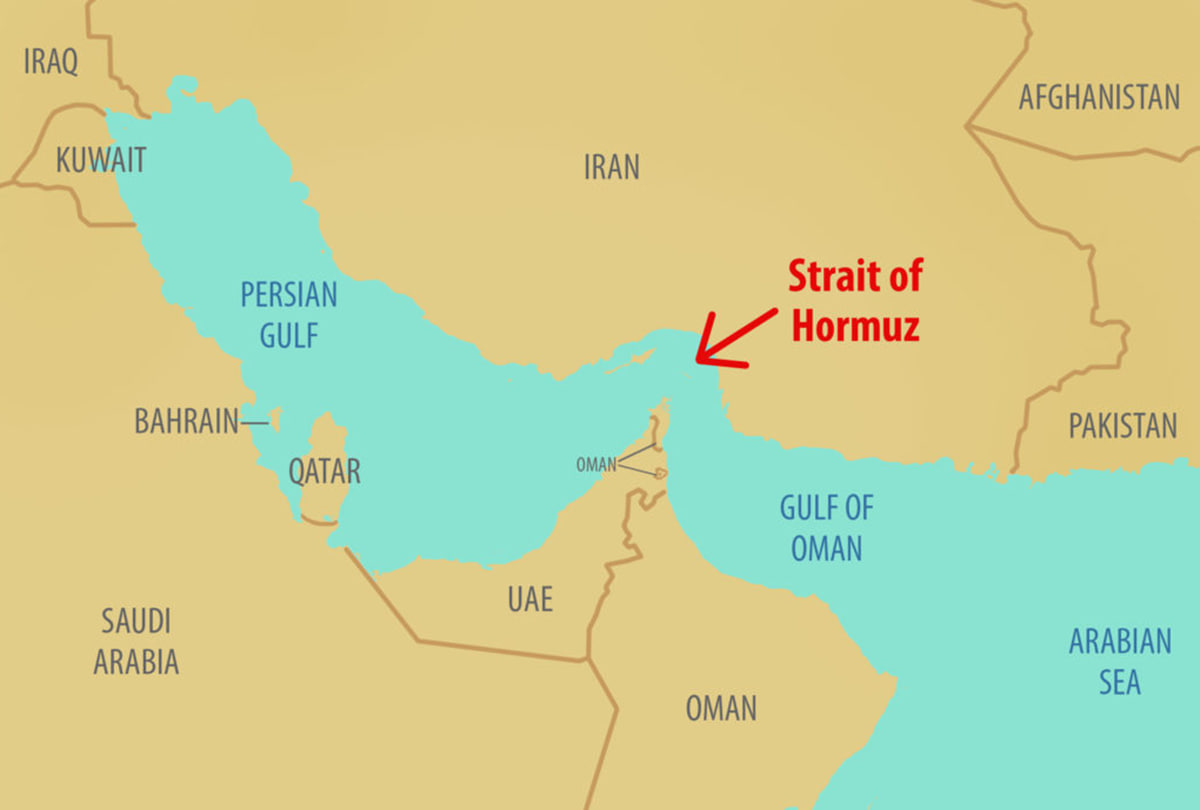
The Strait of Hormuz connects the Persian Gulf to the Gulf of Oman and serves as one of the most critical oil transit routes in the world. A significant share of global crude oil exports passes through the narrow waterway daily.
Because of this importance, the Strait of Hormuz has long been a geopolitical pressure point. Control and access to the route have repeatedly been tied to wider disputes involving Iran and Western powers.
Tensions escalated further after the collapse of nuclear negotiations, followed by sanctions and increased military presence in the region.
Strait of Hormuz and Rising Energy Security Risks
The current Strait of Hormuz negotiations come at a time of heightened global sensitivity in energy markets.
Earlier restrictions on passage reduced oil flow and increased shipping risks, leading to higher insurance costs and disruptions in global supply chains. These effects rippled across international energy markets.
In response, the United States introduced measures targeting Iranian oil exports, aiming to restrict revenue while maintaining diplomatic pressure.
Oil Market Volatility
The Strait of Hormuz remains one of the most influential factors in global oil pricing.
Even limited diplomatic developments in the region tend to trigger market reactions due to its importance in global supply chains. Brent crude has experienced volatility as traders assess the risk of disruption versus potential diplomatic progress.
Importing nations continue to strengthen reserves and diversify supply sources to reduce exposure to instability linked to the Strait of Hormuz.
US Position on Strait of Hormuz Negotiations
The United States has maintained strict conditions regarding Iran’s nuclear program, which remains central to any broader agreement involving the Strait of Hormuz.
Washington continues to insist on limitations to uranium enrichment as part of any deal involving sanctions relief or maritime access.
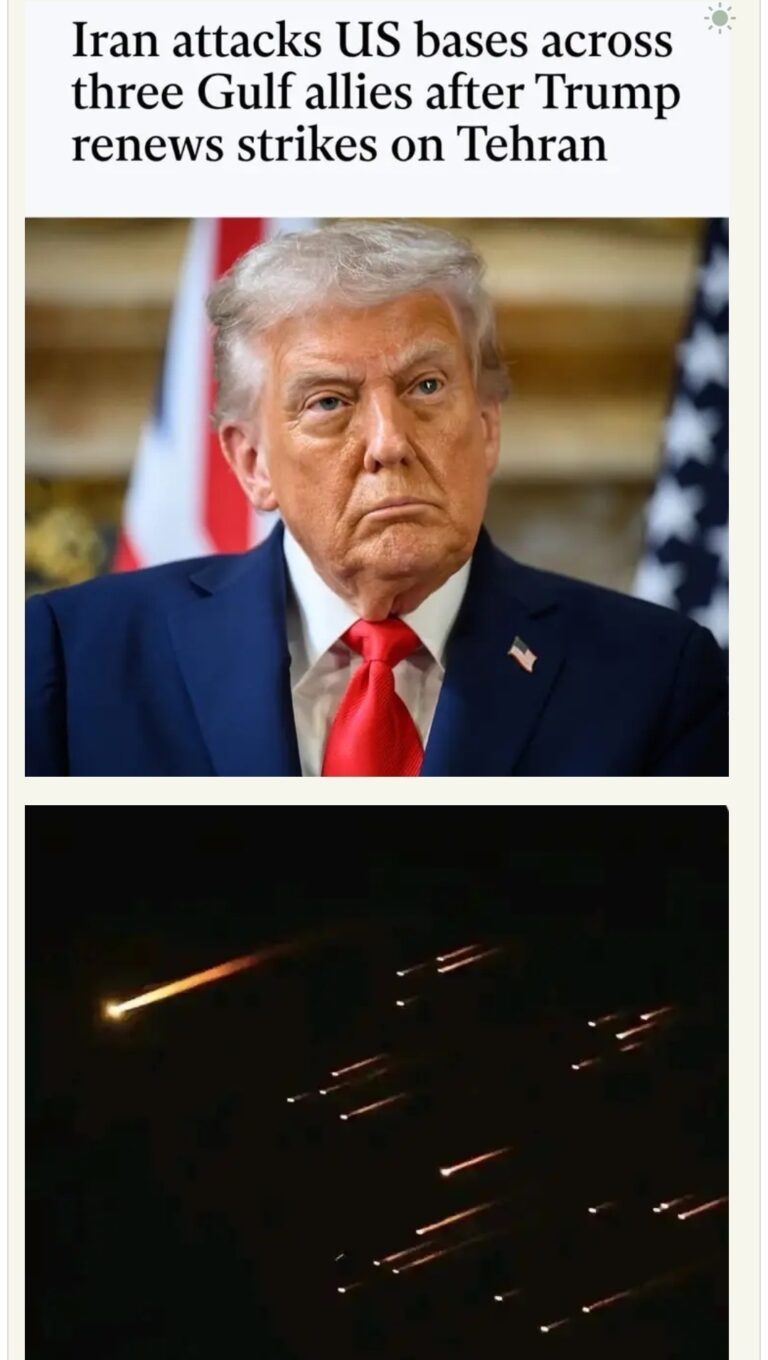
Former US President Donald Trump has previously stated that restrictions around the Strait of Hormuz would remain until a comprehensive agreement is reached addressing both security and nuclear concerns.
At present, negotiations remain stalled.
READ ALSO: US Dollar Weakens Ahead of Fed Decision
Global Policy Outlook
The situation is being closely monitored by global financial institutions due to its impact on inflation and energy security.
The Federal Reserve continues to assess geopolitical risks as part of its broader economic outlook, especially those linked to energy supply shocks and price instability.
Federal Reserve
International Monetary Fund
Both institutions have repeatedly warned that geopolitical instability remains a major driver of global economic uncertainty.
Strait of Hormuz and Global Trade Impact
The Strait of Hormuz is a key artery for global trade. Any disruption affects oil shipments, shipping costs, industrial supply chains, and transportation systems worldwide.
Energy importing nations face higher exposure during periods of instability, while exporting countries experience revenue fluctuations depending on access conditions.
This makes the it a persistent global economic risk factor.
Strait of Hormuz and Implications for Nigeria
Nigeria, as a major oil exporter, is indirectly influenced by developments surrounding the Strait of Hormuz.
Higher oil prices can improve export earnings, but volatility makes foreign exchange planning more difficult.
The Nigerian foreign exchange market continues to face pressure from structural issues such as dollar demand, import dependency, and reserve fluctuations.
Data from the Central Bank of Nigeria shows continued strain on external reserves, reflecting ongoing intervention in the currency market.
Conclusion: Strait of Hormuz Remains Global Flashpoint
It remains at the center of a fragile intersection between diplomacy, energy security, and global economic stability.
While Iran’s proposal introduces a potential pathway toward easing tensions, deep mistrust and unresolved strategic disagreements continue to block progress.
Until a formal agreement is reached, the Strait of Hormuz will remain one of the world’s most sensitive geopolitical hotspots, shaping oil markets, international diplomacy, and global economic conditions.
About The Author