


Pump prices of Premium Motor Spirit (petrol) are approaching ₦1,400 per litre nationwide following renewed volatility in the global oil market triggered by the prolonged US–Iran conflict and the continued closure of the Strait of Hormuz.
Industry data show that Brent crude jumped from $105 per barrel on Monday to $118 by Wednesday, intensifying pressure on Nigeria’s downstream market. In response, the Dangote Petroleum Refinery raised its petrol loading (gantry) price from ₦1,200 to ₦1,275 per litre, according to figures obtained from Petroleumprice.ng and confirmed by refinery officials.
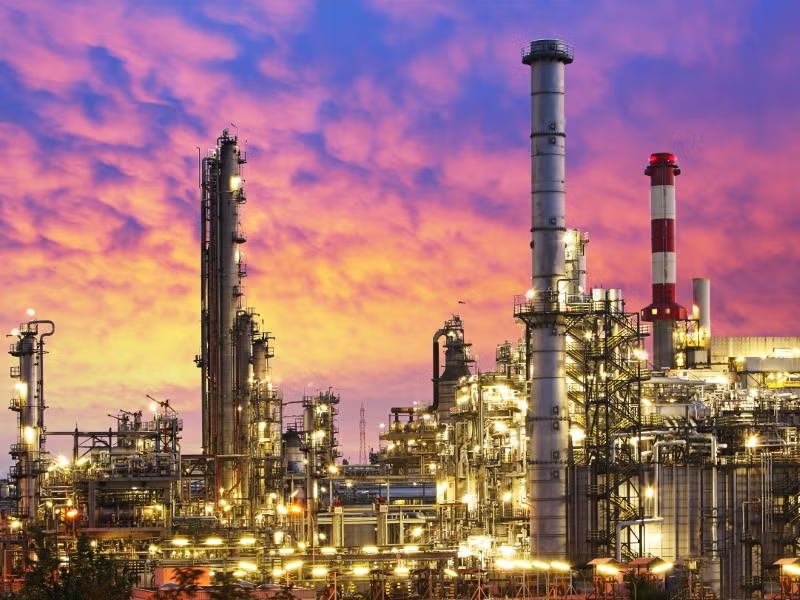
Coastal supply prices also climbed to ₦1,215 per litre, while marketers reported supply disruptions after the refinery temporarily halted its pro forma invoice process on Tuesday evening, briefly suspending petrol and diesel sales.
The situation worsened as the Nigerian National Petroleum Company Limited (NNPCL) raised official selling prices for all 37 Nigerian crude grades for May-loading cargoes. Bonny Light rose by $6.13 per barrel, while Forcados increased by $7.01, reflecting tight global supplies and elevated geopolitical risks.
Filling stations swiftly adjusted pump prices, with petrol selling between ₦1,315 and ₦1,350 per litre across Lagos and Ogun states on Wednesday. In northern states and areas farther from the Dangote refinery, prices reportedly climbed close to ₦1,400 per litre, while some border communities recorded even higher rates due to supply restrictions.
The Petroleum Products Retail Outlet Owners Association of Nigeria (PETROAN) warned that prices could exceed ₦1,500 per litre if tensions in the Middle East persist. PETROAN President, Billy Gillis-Harry, attributed the spike to global price benchmarking and Nigeria’s exposure to international market shocks.
“All petroleum products in Nigeria are still internationally benchmarked in dollar terms,” he said, adding that domestic refining alone would not shield consumers unless pricing reforms are implemented.
Energy analysts also urged the Federal Government to consider domestic crude pricing models for local refineries to cushion Nigerians from global price swings. Economist Bismarck Rewane suggested selling crude at fixed rates to local refiners in exchange for pump price stability.
Meanwhile, US authorities signalled that the naval blockade around Iran would remain in place, keeping oil markets tense and reinforcing fears of further fuel price hikes in Nigeria.
About The Author