


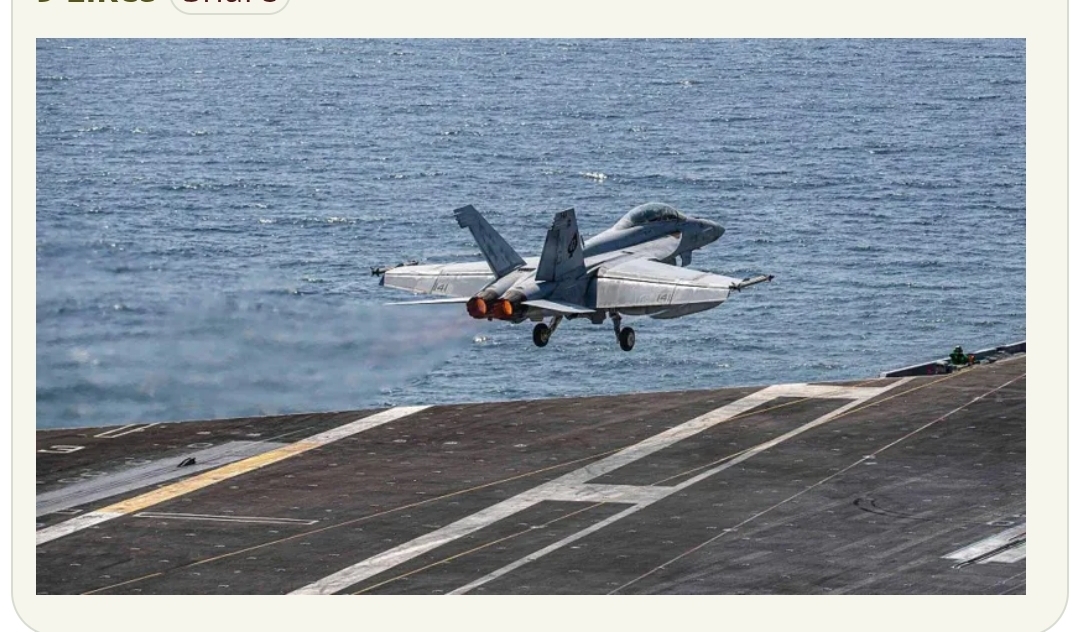
The United States military has carried out a new round of strikes on Iran, targeting a military facility in Bandar Abbas, a key strategic port city along the Strait of Hormuz.
According to the US Central Command (Centcom), American forces also intercepted and destroyed four Iranian one-way attack drones that were considered a threat to security operations around the Strait of Hormuz. Centcom stated that the military site in Bandar Abbas was struck as Iranian forces were preparing to launch a fifth drone.
Iranian state media reported explosions east of Bandar Abbas following the attack.
The latest strikes come despite an already fragile ceasefire between Washington and Tehran, as both sides remain engaged in prolonged negotiations aimed at ending the three-month conflict that has severely disrupted shipping activities in the Strait of Hormuz and triggered sharp increases in global energy prices.
This marks the second US military action against Iranian targets within three days. Washington has consistently maintained that the operations were carried out in self-defence.
In a statement, Centcom described the strikes as “measured, purely defensive, and intended to maintain the ceasefire.”
Earlier this week, the US confirmed another series of strikes in southern Iran, targeting missile installations and Iranian boats allegedly attempting to deploy naval mines in the Strait of Hormuz. Thousands of commercial tanker vessels have reportedly been stranded in the region due to the ongoing hostilities.
Centcom said those earlier operations were aimed at protecting American personnel from “threats posed by Iranian forces.”
Iran, however, condemned the attacks, describing them as “a grave violation of the ceasefire” and vowed that Tehran “will not leave any act of hostility unanswered.”
Meanwhile, regional tensions continue to escalate. Kuwait’s military announced on Thursday that its air defence systems had intercepted “hostile missile and drone threats,” although no further details were disclosed.
In a separate move, the United States imposed sanctions on the Persian Gulf Strait Authority, the Iranian agency responsible for collecting fees from ships transiting through the Strait of Hormuz. The US Treasury Department warned that vessels making payments to the authority could also face sanctions exposure.
The Strait of Hormuz remains one of the world’s most critical energy corridors, with nearly one-fifth of global oil and liquefied natural gas shipments passing through the route. Ongoing instability in the region has significantly disrupted global fuel supply chains.
Iranian Foreign Ministry spokesman Esmaeil Baqaei defended the fees, stating that Tehran was merely charging for “navigational services” and would continue overseeing maritime traffic in the waterway.
US Treasury Secretary Scott Bessent accused Iran of attempting to “extort global maritime trade,” calling it evidence that Tehran is “desperate for cash.”
Iran’s Islamic Revolutionary Guard Corps (IRGC) also claimed earlier this week that it had downed a US drone and fired at another drone and a fighter jet that allegedly entered Iranian airspace.
Speaking during a cabinet meeting on Wednesday, US President Donald Trump said Iran was “negotiating on fumes,” while insisting that ongoing military operations would not be influenced by the upcoming US midterm elections.
“Maybe we have to go back and finish it, maybe we don’t,” Trump said.
The US president also urged Gulf nations to support the Abraham Accords and normalize diplomatic relations with Israel.
The current conflict began on February 28 when Israel, backed by the United States, launched military operations against Iran. Israel is simultaneously engaged in conflict with Hezbollah, the Iranian-backed militant group based in Lebanon.
Although Trump recently expressed optimism that a peace agreement with Iran had been “largely negotiated,” his tone appeared to harden during Wednesday’s cabinet session.
“We’re not satisfied,” Trump stated, while warning that Washington could resume large-scale strikes if Tehran failed to meet US demands.
Iranian state television had earlier reported alleged details of a draft peace agreement, including the reopening of the Strait of Hormuz and the withdrawal of US forces from the region. The White House swiftly dismissed the report, calling it “a complete fabrication.”
While both sides previously hinted at progress in negotiations, Tehran later cautioned that a deal was “not imminent.” Trump also revealed that he had instructed US negotiators “not to rush into” any agreement.
Speaking further at the cabinet meeting, Trump said:
“They just want to make a deal — I don’t think they have a choice.”
He added:
“Iran is very much intent, they want very much to make a deal. So far, they haven’t gotten there and we’re not satisfied with it, but we will be. Either that or we’ll have to just finish the job.”
About The Author