

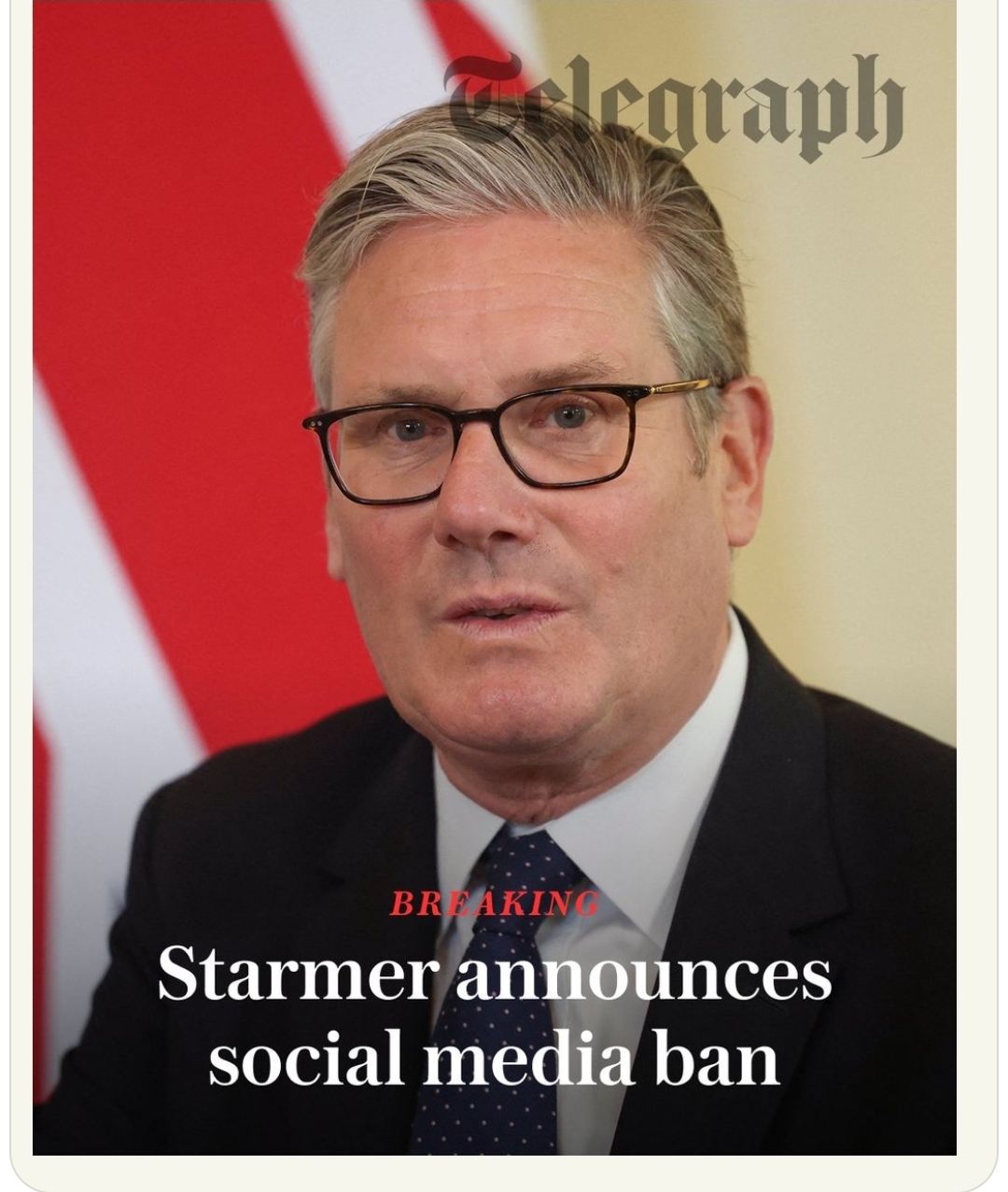
In a bold move aimed at protecting young people from the growing influence of the digital world, the government has announced plans to ban social media access for children under the age of 16.The decision comes amid increasing concerns about the impact of social media on children’s mental health, education, and overall well-being. Authorities argue that today’s children are growing up in an environment where technology constantly competes for their attention, affecting how they learn, socialize, and develop.Speaking on the proposed measure, government officials emphasized the need to safeguard childhood experiences from excessive digital interference.”These days, kids must find their feet in a world where technology intrudes into every area of their life. I just can’t let that go on anymore. So we’re giving children their childhoods back,” the statement read.Supporters of the policy believe the restriction will help reduce exposure to harmful online content, cyberbullying, and the addictive nature of social media platforms. They argue that children should be allowed to focus on education, family interactions, outdoor activities, and personal development without the pressures often associated with online life.However, the proposal has also sparked debate among parents, educators, and technology experts. While many welcome stronger protections for minors, others question how such a ban would be enforced and whether it could limit young people’s access to educational resources and digital communication tools.As discussions continue, the proposal highlights a growing global conversation about the role of social media in children’s lives and the responsibility of governments and technology companies to create safer online environments for young users.If implemented, the ban would represent one of the most significant efforts yet to regulate children’s access to social media and reshape how the next generation interacts with the digital world.
About The Author