


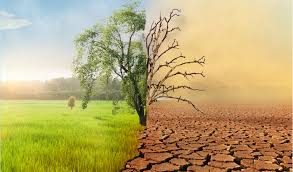
Climate change refers to significant changes in global temperatures and weather patterns over time. While climate change is a natural phenomenon, scientific evidence shows that human activities, particularly the burning of fossil fuels and deforestation, have accelerated the process, leading to unprecedented shifts in the Earth’s climate.
Causes of Climate Change:
The primary driver of recent climate change is the increase in greenhouse gases such as carbon dioxide (CO2), methane (CH4), and nitrous oxide (N2O) in the atmosphere. These gases trap heat, leading to the greenhouse effect, which warms the planet. Key contributors include:
- Burning fossil fuels (coal, oil, natural gas) for energy
- Deforestation and land-use changes
- Industrial processes and agriculture
Potential Effects in the Next Few Years:
- Rising Temperatures: Average global temperatures are expected to continue rising, leading to hotter summers and warmer winters. This can intensify heatwaves, affecting human health and agriculture.
- Extreme Weather Events: Climate change is linked to an increase in the frequency and severity of extreme weather events such as hurricanes, floods, droughts, and wildfires. These events can cause significant damage to communities and ecosystems.
- Sea Level Rise: Melting polar ice caps and glaciers contribute to rising sea levels, threatening coastal cities and island nations with flooding and erosion.
- Impact on Ecosystems and Biodiversity: Changes in temperature and precipitation patterns can disrupt habitats, leading to the loss of biodiversity as some species may not adapt quickly enough.
- Agriculture and Food Security: Shifts in climate can affect crop yields, potentially leading to food shortages and increased prices. Some regions may experience reduced agricultural productivity due to droughts or floods.
- Human Health: Increased heat can exacerbate health problems such as heatstroke and cardiovascular diseases. Additionally, changing climates may expand the range of vector-borne diseases like malaria and dengue fever.
Global Responses:
Efforts to mitigate climate change focus on reducing greenhouse gas emissions through renewable energy adoption, energy efficiency, reforestation, and sustainable practices. International agreements like the Paris Agreement aim to limit global warming to well below 2 degrees Celsius above pre-industrial levels.
Adaptation strategies are also crucial, involving infrastructure improvements, disaster preparedness, and community resilience building to cope with inevitable changes.
Conclusion:
Climate change poses significant challenges that require urgent and coordinated global action. The next few years are critical for implementing effective policies and practices to minimize its impacts and safeguard the environment, economies, and human well-being for future generations.
About The Author







1 thought on “Climate Change and Its Impact on the Coming Years”