

Qatar’s Energy Minister, Saad al‑Kaabi, has warned that global crude oil prices could soar to as high as $150 per barrel within weeks if the ongoing conflict in the Middle East continues to disrupt energy exports.
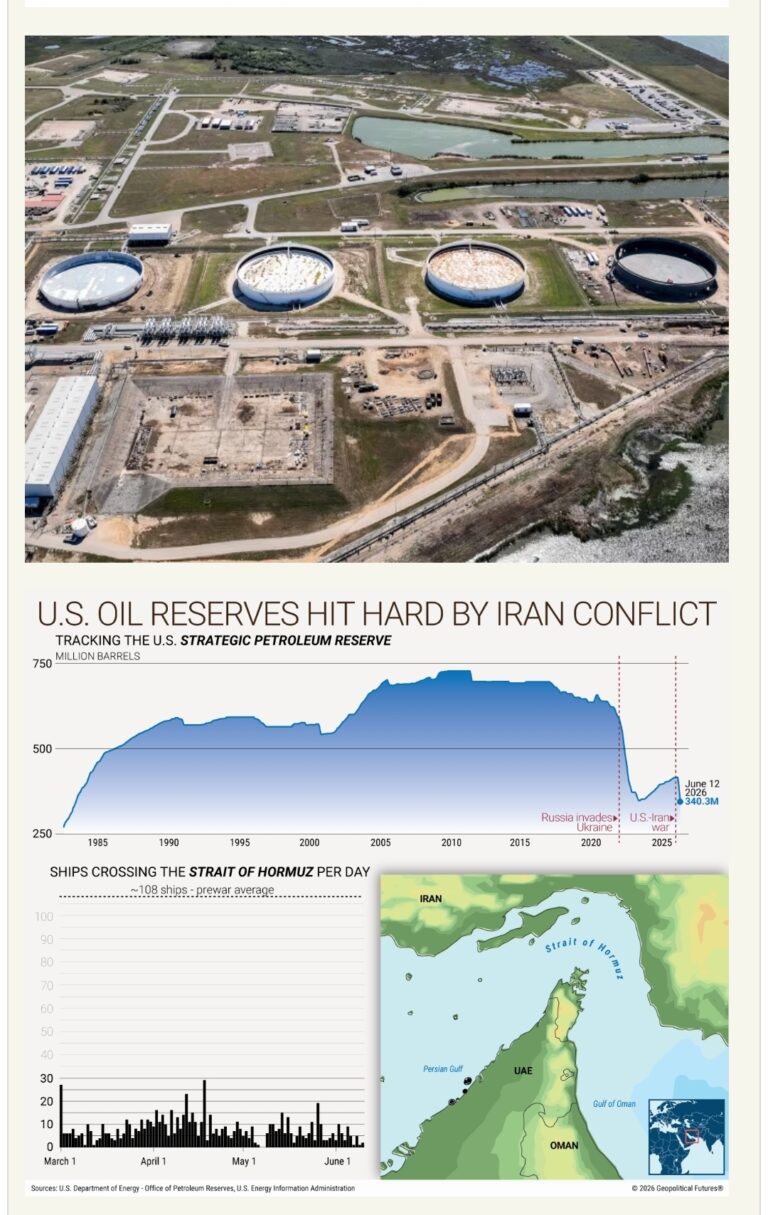
His comments highlight growing fears of severe supply shocks as tension escalates across the region.Kaabi said that if commercial vessels are unable to pass through the Strait of Hormuz , a critical shipping route handling about one‑fifth of tnhe world’s crude and gas shipments oil prices could spike sharply in the near term.
He noted that even if the war were to end immediately, it could take weeks or months for Qatar and other Gulf producers to return to normal delivery cycles.
The minister also warned that all Gulf energy exporters may be forced to halt exports within weeks if hostilities continue, citing the risks faced by shipping companies and the increased danger of transporting oil and liquefied natural gas (LNG) through conflict zones.
This would represent a profound shock to global energy markets and pose serious challenges for economies worldwide.
Qatar has already suspended production of LNG, which accounts for roughly 20 percent of global supply, after facilities came under threat amid rising attacks linked to the wider US‑Israel‑Iran confrontation.
The disruption has raised concerns about shortages in both Asian and European energy markets.Oil markets have responded to these warnings. Brent crude has climbed toward $90 a barrel, marking rapid gains and one of the steepest weekly rallies in recent years as traders price in heightened geopolitical risk and potential supply constraints.
Analysts say that a sustained price surge to $150 per barrel would have far‑reaching effects on the global economy.
Higher energy costs could stoke inflation, raise production and transportation expenses, and diminish economic growth prospects in energy‑importing nations.
Financial markets could also experience increased volatility, with energy‑linked stocks and indexes reacting sharply to shifting supply forecasts.
Kaabi’s forecast underscores a growing consensus among energy experts that the war in the Middle East has entered a phase with deep implications for the global energy landscape, particularly if key export routes remain unsafe and Gulf producers are unable to maintain regular output.
About The Author