

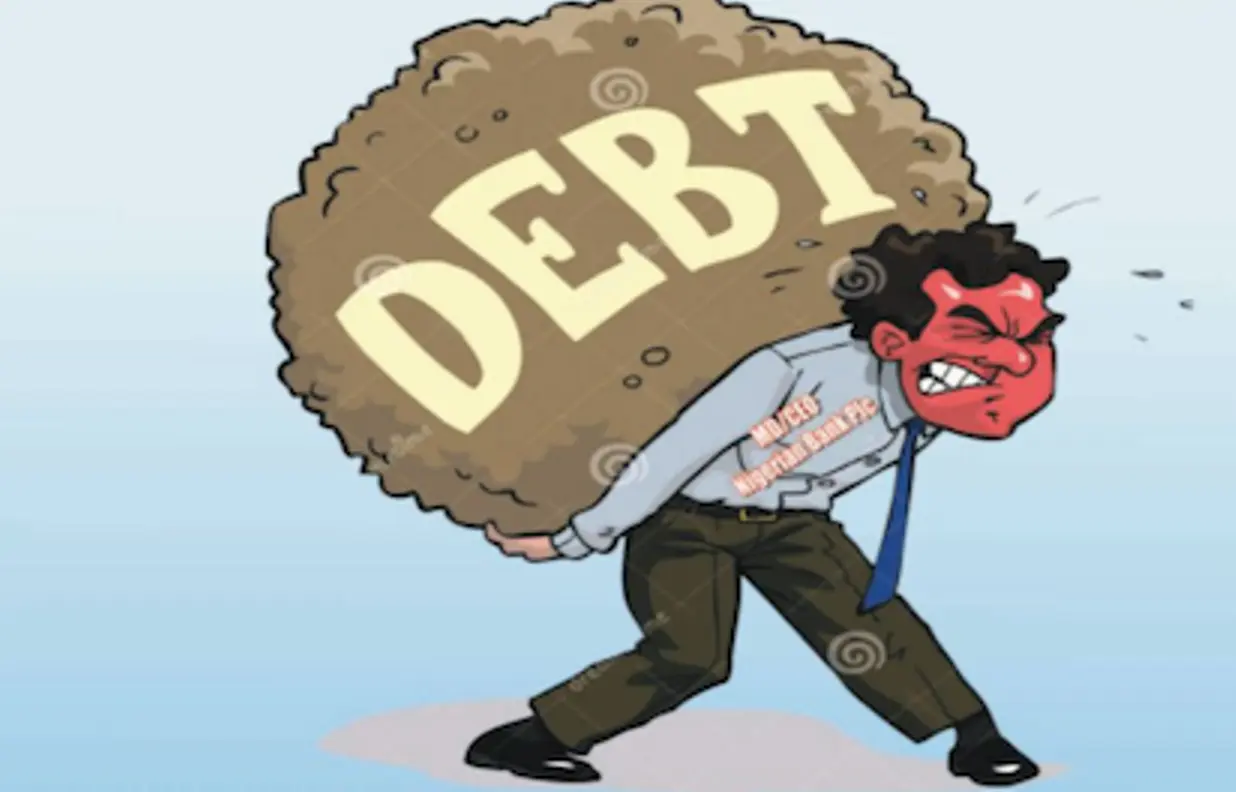
The Federal Government’s spending on domestic debt servicing declined sharply in January 2026, falling by 38.5 percent year on year to $405.3 million, compared with $659.7 million recorded in January 2025.
Data from the Central Bank of Nigeria’s International Payments report also shows a broader easing in debt service payments over the past year. Total payments dropped slightly by 2.95 percent to $7.22 billion in 2025, down from $7.44 billion in 2024.
The reduction has been largely attributed to lower obligations on Federal Government Bonds and Nigerian Treasury Bills, which constitute the largest components of Nigeria’s domestic debt servicing costs. Reduced primary market issuances and tighter yields in the fixed income market during the period also contributed to the decline.
Despite the lower servicing costs, government borrowing activity remained strong. The Debt Management Office raised N5.26 trillion through the FGN bond market in 2025 to finance the federal budget deficit, with investors submitting bids worth N8.96 trillion, nearly twice the amount offered.
Investor demand remained robust at the start of 2026. In January, the DMO exceeded its N900 billion fundraising target by a wide margin, raising N1.54 trillion through the auction of three FGN bonds.
Nigeria’s domestic debt stock, however, continued to grow, reaching N77.81 trillion as of September 30, 2025, driven largely by the sustained issuance of FGN bonds during the year.
About The Author