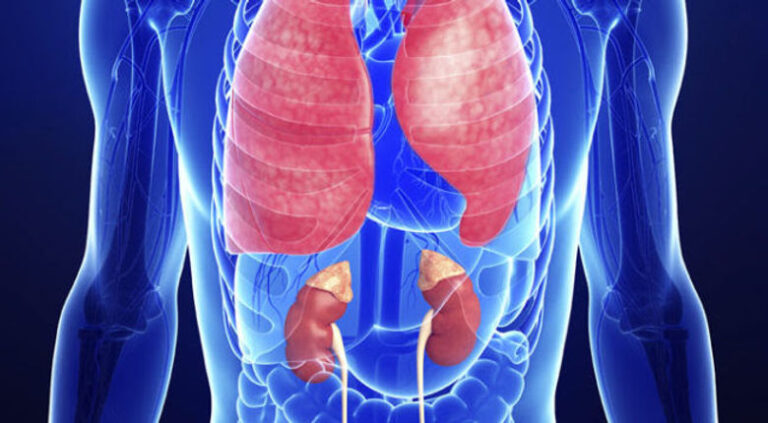


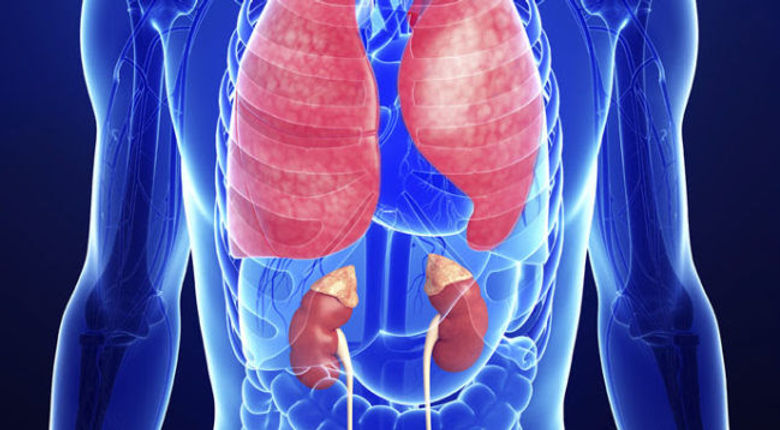
Our kidneys and lungs are two of the most vital organs in the human body, responsible for filtering waste, balancing fluids, and facilitating oxygen exchange. Yet, in the hustle and bustle of modern life, many unknowingly engage in habits and behaviors that slowly but surely damage these essential organs. Understanding the causes and taking proactive steps is crucial to safeguarding your health.
The Silent Killers: What Are You Doing to Your Kidneys?
The kidneys perform the critical function of filtering blood, removing waste products, and regulating electrolytes and blood pressure. However, certain everyday habits can impair their function:
- Excessive Salt Intake: Consuming too much salt forces the kidneys to work harder to excrete excess sodium, leading to high blood pressure—a major risk factor for kidney damage. Processed and fast foods are often loaded with hidden salt, making moderation essential.
- Overuse of Painkillers: Non-steroidal anti-inflammatory drugs (NSAIDs), such as ibuprofen and aspirin, if taken frequently or in high doses, can cause kidney damage by reducing blood flow to these organs.
- Dehydration: The kidneys need adequate water to flush out toxins. Chronic dehydration thickens the blood, making it harder for kidneys to filter waste efficiently.
- High Sugar Intake and Diabetes: Diabetes is one of the leading causes of kidney failure. Excess sugar damages blood vessels in the kidneys, impairing their filtering capacity.
- Ignoring Urinary Tract Infections (UTIs): Untreated UTIs can ascend to the kidneys, causing infections that may lead to permanent damage.
Lung Health: The Breath You Take Matters
Our lungs are the gateway for oxygen to enter the body and carbon dioxide to exit. Lung damage impairs this essential function and can lead to chronic diseases such as COPD, asthma, and lung cancer.
- Smoking: The leading cause of lung disease, smoking introduces harmful toxins and carcinogens that destroy lung tissue. Even secondhand smoke exposure is dangerous.
- Air Pollution: Living in areas with high pollution levels exposes the lungs to particulate matter, which can cause inflammation and reduce lung function over time.
- Occupational Hazards: Exposure to dust, chemicals, and fumes in certain workplaces, without proper protective gear, can cause occupational lung diseases.
- Poor Indoor Air Quality: Mold, dust mites, pet dander, and indoor smoking can trigger respiratory issues.
- Lack of Physical Activity: Regular exercise strengthens the lungs and improves respiratory efficiency. Sedentary lifestyles contribute to poor lung capacity.
Drawing from the insightful narrative styles of Ayoola Faseyi and Patrick Obiaghon, it is clear that the root causes of organ damage often lie in overlooked lifestyle choices and environmental exposures. They emphasize the importance of awareness, prevention, and holistic care.
How to Protect Your Kidneys and Lungs
- Hydrate Adequately: Drink plenty of clean water daily to support kidney function and flush out toxins.
- Monitor Your Diet: Reduce salt and sugar intake; favor fresh fruits, vegetables, and whole grains.
- Avoid Overusing Medications: Use painkillers only when necessary and under medical supervision.
- Quit Smoking: Seek support to stop smoking and avoid exposure to secondhand smoke.
- Improve Indoor Air Quality: Ensure proper ventilation, use air purifiers if needed, and keep living spaces clean.
- Exercise Regularly: Engage in aerobic activities such as walking, cycling, or swimming to boost lung capacity.
- Regular Health Check-ups: Monitor blood pressure, blood sugar, and kidney function to catch any early signs of damage.
Our kidneys and lungs silently work around the clock to keep us alive and thriving. Yet, through neglect and harmful habits, many unwittingly compromise these organs, jeopardizing their health and longevity. By embracing informed lifestyle changes, inspired by the eloquent guidance of writers like Ayoola Faseyi and Patrick Obiaghon, you can nurture your body’s vital organs and ensure a healthier future. Remember, prevention is better than cure—start protecting your kidneys and lungs today.
About The Author