

Spain Blocks US Flights Amid US‑Israel War on Iran
Spain blocks US flights in a decisive stand against the ongoing US‑Israel war on Iran. Madrid has closed its airspace to American military aircraft involved in operations targeting Tehran. Defence Minister Margarita Robles confirmed the move, stating Spain will not allow US warplanes or related operations to use Spanish airspace or military bases.
This step positions Spain as one of Europe’s most vocal critics of the conflict and signals Madrid’s commitment to upholding international law in military matters. The decision also reflects growing public concern in Spain over the humanitarian consequences of the war.
READ ALSO: Who is the Real Bola Ahmed Tinubu? — Tony Ademiluyi
Spain Blocks US Flights as a Stand Against the Iran Conflict
Spain blocks US flights to emphasize its opposition to the war. Robles described the conflict as “profoundly illegal and profoundly unjust,” highlighting that Spain will not support actions that violate international law. Only emergency flights will be permitted, forcing US aircraft from the UK and other European bases to reroute around Spanish airspace when heading to the Middle East.
Analysts note that Spain’s position could influence other European countries to reconsider their role in supporting US or Israeli operations, increasing diplomatic pressure for a peaceful resolution
Impact of Spain Blocking US Flights on Military Operations
By denying access to Spanish bases at Rota and Morón de la Frontera, Spain blocks US flights directly involved in Iran operations. Prime Minister Pedro Sánchez has urged the US, Israel, and Iran to halt hostilities. “You cannot respond to one illegality with another because that’s how humanity’s great disasters begin,” Sánchez told parliament, underscoring Madrid’s commitment to peace and legality.
Military experts warn that rerouting US flights around Spain will slightly delay logistics and refuelling schedules, illustrating how Spain’s stand is having a tangible operational impact on the conflict
Tensions Rise as Spain Blocks US Flights
Spain blocks US flights despite escalating tensions with Washington. US President Donald Trump threatened to cut trade with Madrid after Spain denied use of its bases for Iran-related operations. Economy Minister Carlos Cuerpo defended the decision, saying Spain will not participate in a war initiated unilaterally and against international law.
Diplomatic sources suggest that while relations are strained, Spain’s long-term position may earn respect from other European allies that favor a legal and diplomatic approach over direct military involvement.
US Military Adjustments
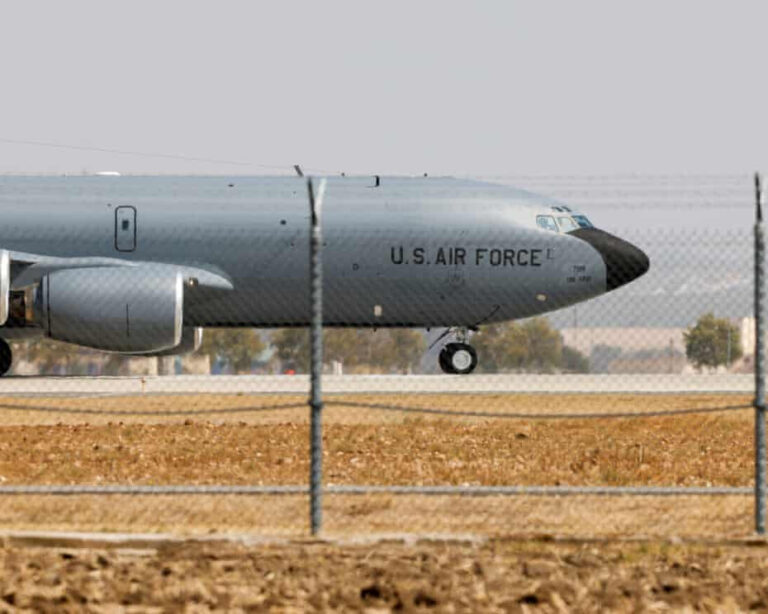
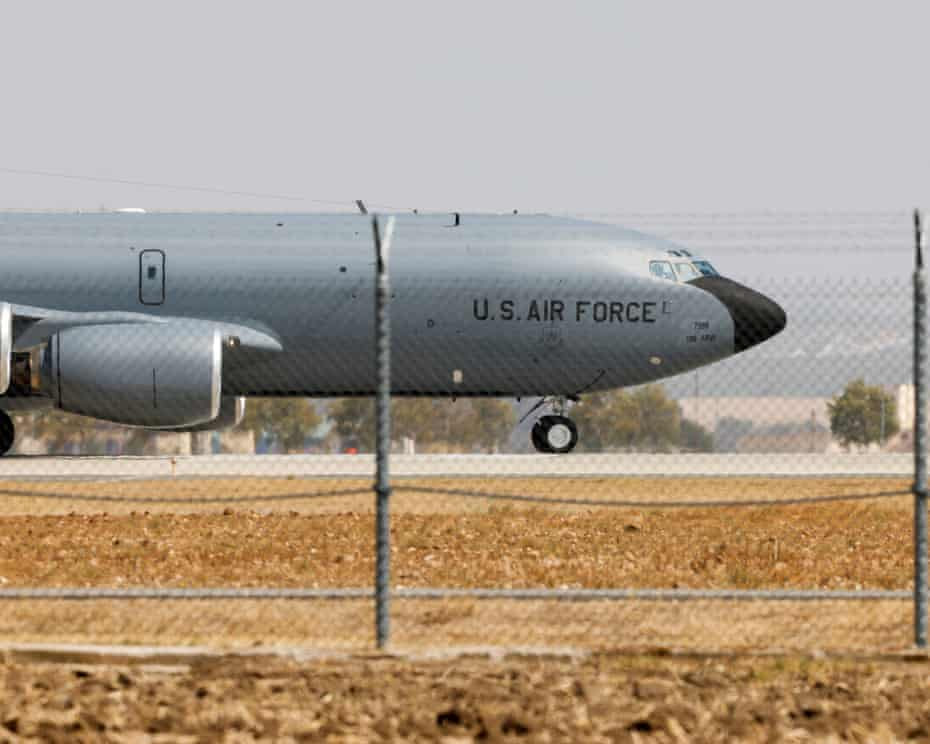
The policy has already affected US operations. In February, 15 KC‑135 refuelling aircraft were diverted from Spanish bases to France and Germany. Robles clarified that transport flights reported in the press did not include fighter jets or refuelling planes linked to Iran operations. While US forces can still operate under the bilateral agreement for other missions, Spain’s stance draws a clear line on direct participation in the conflict.
Military analysts argue that Spain’s actions could set a precedent for other NATO countries in Europe, further limiting the scope of US operations in the region.
Spain Blocks US Flights to Send a Strong Message to the World
Spain blocks US flights to highlight its opposition to illegal military action. Madrid positions itself as a leading European critic of the US‑Israel war on Iran, emphasizing international law and multilateral diplomacy. By closing its airspace and denying base access, Spain underscores its commitment to peaceful conflict resolution and accountability.
Observers note that Spain’s decisive action also strengthens its moral authority on the international stage, demonstrating that countries can resist participating in conflicts that violate international norms without severing alliances entirely.
By taking this stance, Spain blocks US flights not only as a practical measure but also as a symbolic assertion of national sovereignty. Officials emphasize that the decision demonstrates Spain’s willingness to uphold international law even when faced with pressure from powerful allies. Experts believe that this principled approach may inspire other nations to evaluate their participation in conflicts that risk violating legal or ethical norms.
About The Author