

South Africa’s inflation rate eased to 3 percent in February 2026, down from 3.5 percent in January, according to new data released by Statistics South Africa.
The figure brings inflation in line with the target set by the South African Reserve Bank, offering some relief to both policymakers and households.
On a monthly basis, consumer prices rose by 0.4 percent, pointing to a gradual slowdown in price increases across the economy.
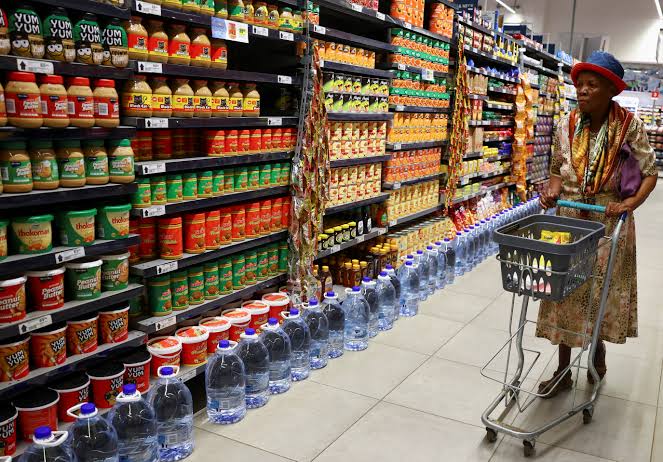
The moderation was largely driven by softer inflation in goods and services, although key sectors such as housing, food, and financial services remained the main contributors to overall price levels.
Housing and utilities recorded a 4.8 percent increase, while food and non alcoholic beverages rose by 3.7 percent. Financial and insurance services also saw a 4.7 percent rise.
Meanwhile, goods inflation slowed significantly, and services inflation also edged lower compared to the previous month.
Despite the positive trend, analysts warn that external factors could reverse the gains. Rising global oil prices, currency volatility, and geopolitical tensions may push inflation higher in the coming months, particularly as the rand remains under pressure.
The latest data has complicated expectations around interest rate decisions, with earlier projections of a rate cut now uncertain.
While easing inflation had supported calls for monetary policy relaxation, growing global risks may prompt the central bank to hold rates steady for now.Across Africa, inflation trends remain uneven.
While South Africa has returned to its target range, Nigeria continues to grapple with elevated inflation, which stood above 15 percent in February, highlighting differing economic pressures across the continent.
About The Author