


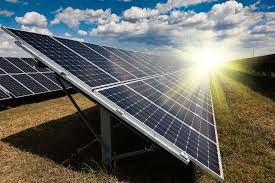
Nigeria, blessed with abundant sunshine year-round, stands at the threshold of a renewable energy revolution. Among the many sustainable energy options, solar electricity systems have emerged as a beacon of hope, promising to transform the nation’s energy landscape. This article explores the essentials of solar electricity systems in Nigeria, their benefits, challenges, and the future outlook.
Understanding Solar Electricity Systems
A solar electricity system, commonly referred to as a solar power system, converts sunlight into electrical energy. This system primarily consists of solar panels (photovoltaic cells), batteries for energy storage, charge controllers, and inverters that convert direct current (DC) into alternating current (AC) usable in homes and industries.
In Nigeria, where grid electricity is often unreliable or unavailable in rural areas, solar systems provide an off-grid solution, empowering communities and businesses with consistent, clean power.
The Benefits of Solar Electricity in Nigeria
- Renewable and Sustainable: Solar energy is inexhaustible, reducing dependence on fossil fuels that pollute the environment and contribute to climate change.
- Cost Savings: Though initial setup costs can be high, solar systems significantly reduce electricity bills and provide free energy after installation.
- Energy Access: Solar systems can reach remote areas where grid extension is economically unfeasible, improving quality of life and economic opportunities.
- Job Creation: The solar industry spurs local employment in manufacturing, installation, maintenance, and sales.
- Environmental Impact: Solar power reduces carbon footprint and air pollution, aligning with Nigeria’s environmental sustainability goals.
Challenges Facing Solar Electricity Adoption in Nigeria
Despite its promise, the path to widespread solar adoption encounters hurdles:
- High Initial Investment: The upfront cost of solar panels and accessories can be prohibitive for many Nigerians.
- Lack of Awareness: Limited knowledge about solar technology and financing options hinders adoption.
- Quality and Maintenance: The market is flooded with substandard products, and poor maintenance practices reduce system lifespan.
- Policy and Regulation: Inconsistent government policies and insufficient incentives slow down solar sector growth.
- Financing Barriers: Access to affordable loans or payment plans remains a challenge for most households and small businesses.
The Future of Solar Electricity in Nigeria
The Nigerian government and private sector have recognized solar power’s potential, launching initiatives to boost adoption. Programs like the Nigerian Electrification Project (NEP), supported by the World Bank, aim to extend renewable energy access to underserved communities.
Technological advances and decreasing solar panel prices are making solar systems more affordable. Innovative business models, such as pay-as-you-go and solar leasing, are breaking down financial barriers.
Furthermore, integrating solar power with mini-grids and hybrid systems promises to enhance reliability and scalability of electricity supply, particularly in rural Nigeria.
Conclusion
Solar electricity systems present a transformative opportunity for Nigeria to achieve energy security, promote sustainable development, and improve livelihoods. While challenges remain, concerted efforts by government, private sector, and communities can unlock the full potential of solar energy. As the sun shines bright over Nigeria, harnessing its power is not just an option but a necessity for a brighter, greener future..
Written by THE VENT REPUBLIC MEDIA
About The Author