

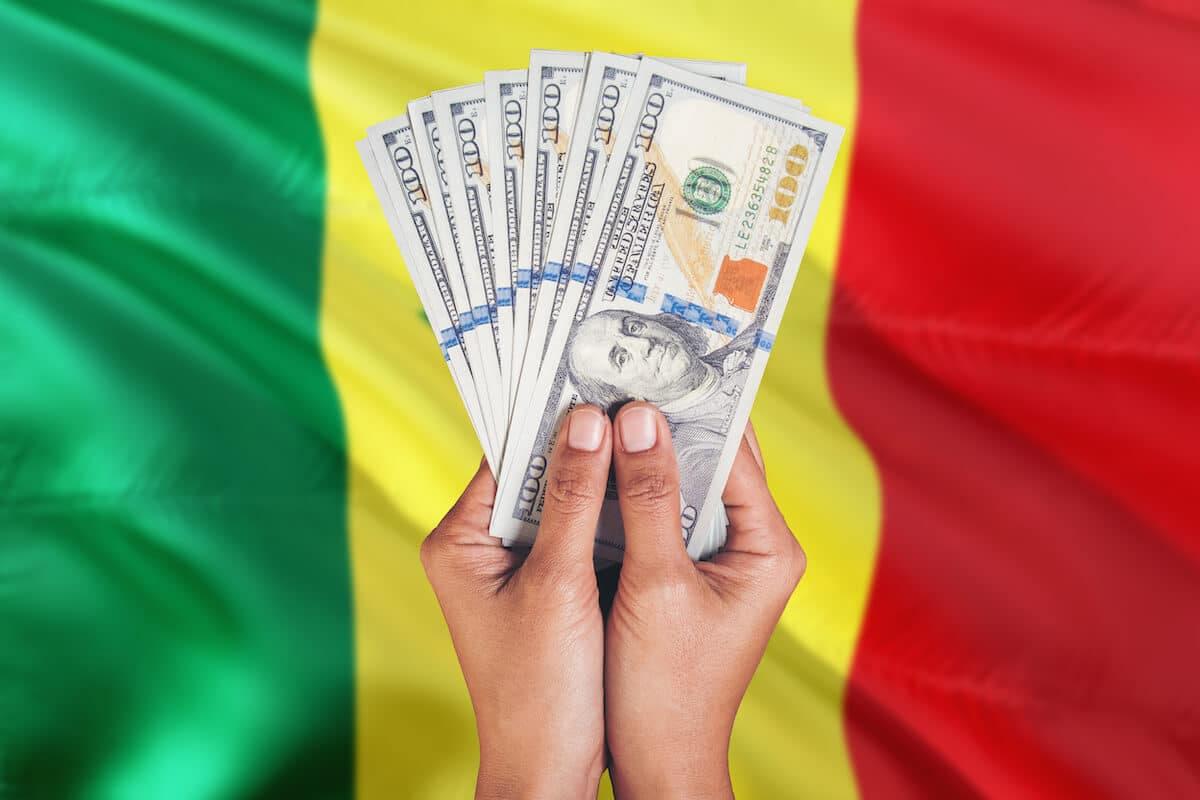
Senegal has achieved a major milestone with its latest Senegal bonds, successfully raising 304.15 billion CFA francs ($537.60 million) in its first public bond sale of 2026. The offering attracted investors with interest rates as low as 6.40 percent, signaling strong confidence in Senegal’s debt market despite ongoing financial and economic challenges, including limited access to global lenders. Analysts note that the successful issuance demonstrates both the resilience of Senegal’s financial strategy and the growing importance of regional investor bases in West Africa.
The Senegalese Finance Ministry announced the conclusion of the month-long sale on March 26 in Dakar. Originally targeting 200 billion CFA francs, the Senegal bonds were oversubscribed by more than 50 percent, reflecting strong investor demand from both individuals and institutions.
Strong Investor Confidence in Senegal Bonds
The oversubscription of the Senegal bonds highlights robust investor trust even as Senegal navigates financial isolation. Access to major global lenders like the International Monetary Fund (IMF) remains restricted due to a previous debt-misreporting scandal. Nonetheless, regional and domestic investors displayed confidence in the government’s ability to manage short-term debt effectively.
The Finance Ministry described the high demand as a “mark of confidence” in Senegal’s sovereign debt, reinforcing the strength of domestic and regional financial markets.
Breakdown of the Senegal Bonds Offering
The Senegal bonds were structured with multiple maturities to appeal to a wide investor base:
- 3-year bonds: Priced at 6.40 percent interest.
- Other maturities: Offered up to 6.95 percent interest.
These rates are particularly attractive compared with yields on similar sovereign debt from neighboring countries. By focusing on regional investors and leveraging the CFA franc’s peg to the euro, Senegal has made its bonds more appealing and accessible.
Overcoming IMF Standoff and Economic Challenges
The successful Senegal bonds sale is remarkable given the country’s strained relationship with the IMF. The debt-misreporting case limited access to global financing, prompting the government to rely heavily on domestic and regional investors.
The Finance Ministry also revealed that Senegal used complex financial operations, including ‘Total Return Swaps,’ in multiple transactions between April and November last year. While these operations raised questions about transparency, they did not deter investors from participating in the latest bond offering.
READ ALSO: African Airlines Lead Global Air Cargo Growth in February 2026
Credit Ratings and Refinancing Risks
Despite the strong Senegal bonds performance, economic risks remain. S&P Global Ratings downgraded Senegal’s local currency credit rating from “B-/B” to “CCC+/C,” citing reliance on short-term domestic debt and rising refinancing risks.
Even with this downgrade, the low yields in the Senegal bonds sale indicate that regional investors continue to trust the country’s capacity to manage debt, benefiting from the CFA franc’s stability.
Comparing Senegal Bonds to Nigeria’s Debt Market
The success of the Senegal bonds contrasts sharply with borrowing costs in Nigeria. In November 2025, Nigeria raised $2.35 billion through Eurobonds but had to offer significantly higher yields:
- 10-year note: 8.63 percent.
- 20-year note: 9.13 percent.
Senegal’s 10-year bonds, at 6.95 percent, cost nearly 200 basis points less than similar-duration Nigerian debt. This yield gap highlights the challenges facing Nigerian sovereign borrowing in global markets.
Broader Implications of Senegal Bonds Success
The latest Senegal bonds sale demonstrates how African nations can secure funding at favorable rates through domestic and regional investor bases, even when global financing options are limited.
Market analysts note that Senegal’s success shows the importance of currency stability, investor confidence, and strategic debt management. While Nigeria remains a high-yield play for investors, Senegal has leveraged local demand to access lower-cost capital efficiently.
In conclusion, the Senegal bonds offering not only exceeded fundraising expectations but also reinforced investor confidence in the country’s debt market. The $537 million raised highlights the effectiveness of regional financing strategies in a challenging economic environment.
About The Author