

Python for beginners is the ideal starting point for anyone looking to learn programming. With its simple syntax and versatile applications, Python makes it easy for newcomers to understand coding concepts and start building projects quickly. This guide will walk you through Python for beginners, covering setup, basic syntax, essential concepts, and helpful resources to begin your programming journey with confidence.
Why Choose Python for Beginners?
Python is often recommended as a first programming language because of its readability and straightforward syntax. Unlike many other languages that require complex commands, Python allows you to write fewer lines of code that are easy to understand. This feature makes learning programming concepts much smoother for beginners.
Moreover, Python is widely used in various fields such as web development, data science, artificial intelligence, automation, and more. Learning Python opens the door to numerous career opportunities and practical applications.
Getting Started with Python for Beginners: Setting Up Your Environment
Before writing your first Python program, you need to set up your development environment. The simplest way is to download and install the latest version of Python from the official website python.org. The site offers detailed instructions for installation on Windows, macOS, and Linux.
Once installed, you can write Python code using a basic text editor or an Integrated Development Environment (IDE) like PyCharm, VS Code, or Jupyter Notebooks. IDEs provide useful features such as code completion, debugging tools, and project management, making coding much easier.
Basic Python Syntax and Concepts
Python’s syntax is straightforward and emphasizes readability. Here are some essential concepts every beginner should understand:
- Variables: Used to store data. For example:
name = "Alice" - Data Types: Common types include integers, floats, strings, lists, and dictionaries.
- Control Structures: Includes
ifstatements,forandwhileloops to control the flow of the program. - Functions: Blocks of reusable code defined using the
defkeyword.
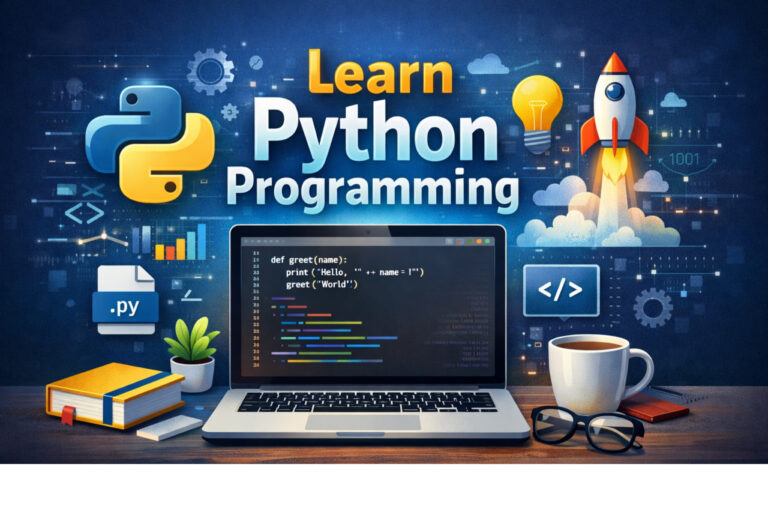
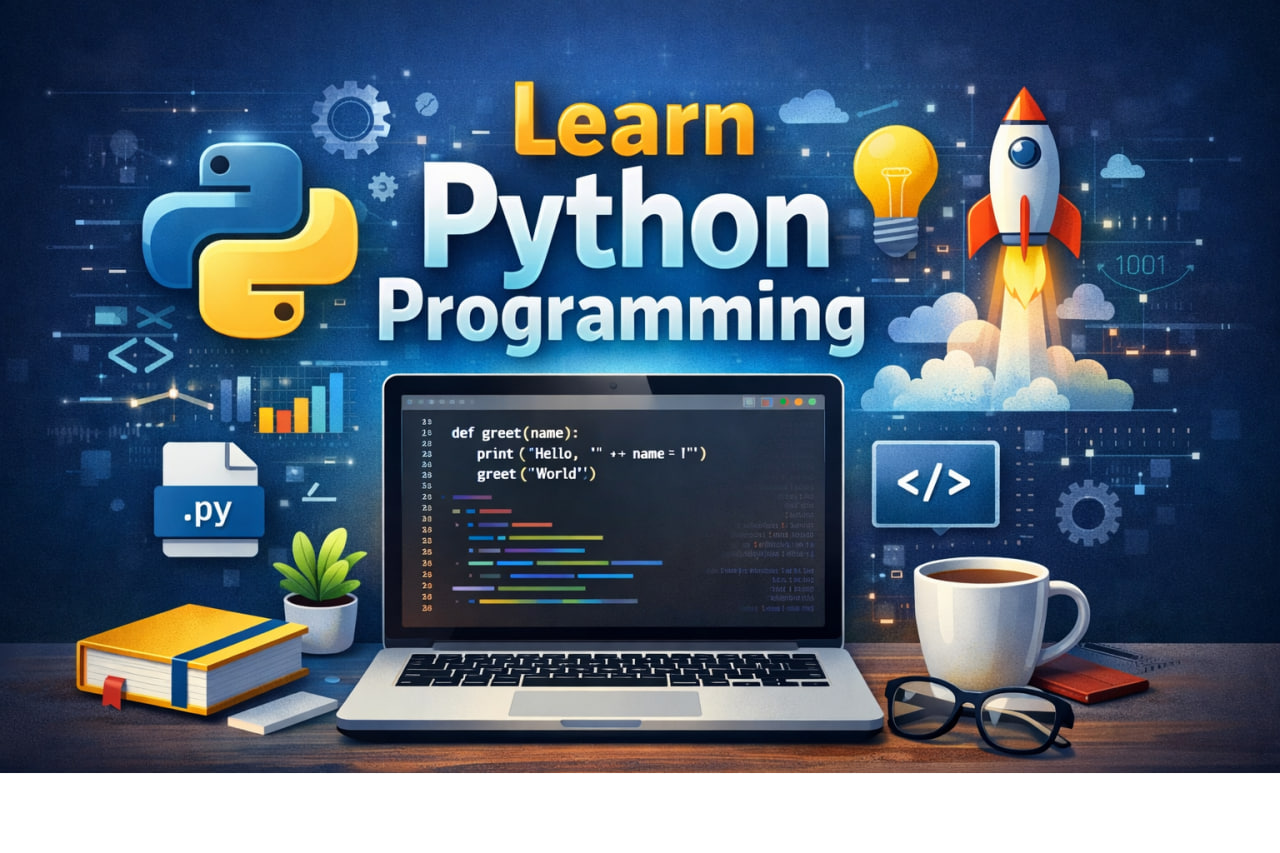
Here is a simple example of a Python program:
def greet(name):
    print(f"Hello, {name}!")

greet("World")
This program defines a function called greet that prints a greeting message and then calls the function with the argument “World”.
Learning Resources for Python Beginners
There are many free and paid resources available online to help you learn Python effectively. Websites like Codecademy offer interactive Python courses that guide you through exercises and projects. Another excellent resource is Real Python, which provides tutorials, articles, and videos for developers at all levels.
Additionally, participating in coding communities such as Stack Overflow and Reddit’s r/learnpython can provide valuable support and answers to your programming questions.
Transitioning from Python for Beginners to JavaScript
While Python is ideal for many beginners, JavaScript is another excellent language to learn, especially for those interested in web development. JavaScript allows you to make websites interactive and dynamic, complementing HTML and CSS.
JavaScript can run directly in your web browser without any installation, making it very accessible. To get started, simply open your browser’s console and write your first JavaScript code.
READ ALSO: Understanding DevOps: A Beginner’s Guide
Basic JavaScript Syntax and Concepts
JavaScript syntax is slightly different from Python but also beginner-friendly. Here are some key concepts:
- Variables: Declared using
let,const, orvar. Example:let age = 25; - Data Types: Includes numbers, strings, arrays, and objects.
- Functions: Defined using the
functionkeyword or arrow functions. - Event Handling: JavaScript can respond to user actions like clicks and key presses.
Example of a simple JavaScript function:
function greet(name) {
    console.log("Hello, " + name + "!");
}

greet("World");
Resources to Learn JavaScript
For beginners eager to learn JavaScript, platforms like freeCodeCamp offer comprehensive, free tutorials and projects. Another great resource is MDN Web Docs by Mozilla, which provides detailed documentation and guides on JavaScript and web development.
Tips for Beginner Programmers
Regardless of whether you choose Python or JavaScript, here are some tips to succeed as a beginner coder:
- Practice Regularly: Coding is a skill best learned by doing. Try to write code daily.
- Build Projects: Apply what you learn by creating small projects like calculators, to-do lists, or games.
- Don’t Fear Mistakes: Debugging is part of programming. Learn to read error messages and fix your code.
- Join a Community: Engage with other learners to share knowledge and get support.
Conclusion
Starting your programming journey with Python or JavaScript is an excellent decision. Both languages offer beginner-friendly syntax and vast opportunities in various industries. By setting up the right environment, learning basic concepts, and utilizing quality resources, you can build a strong foundation in coding. Remember to practice consistently and stay curious. Happy coding!
About The Author