

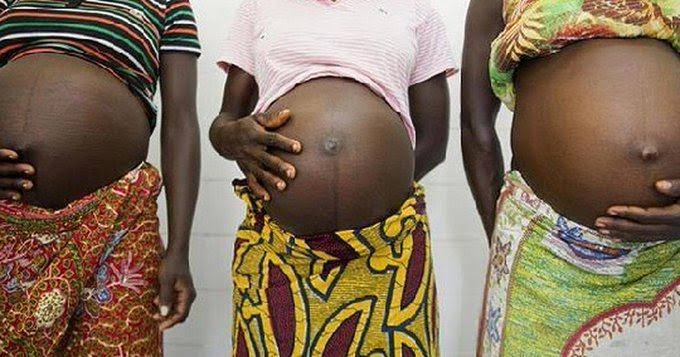
Teenage pregnancy continues to pose a major public health challenge in Nigeria, with northern states recording the highest prevalence, according to the 2025 State of Health of the Nation Report released on Sunday in Abuja under the National Health Act (2014).
The report, drawing on data from the Nigeria Demographic and Health Survey (NDHS) 2024, revealed that 32 percent of girls aged 15-19 in Kebbi have been pregnant, followed by Zamfara and Kaduna at 30 percent each.
In contrast, Lagos and Edo recorded rates of about three percent, highlighting sharp regional disparities in adolescent reproductive health.
Researchers noted that teenage pregnancy increases the risk of maternal and child morbidity and mortality and contributes to social challenges such as school dropout among adolescent girls.
Education was identified as a protective factor, with pregnancy prevalence dropping from 34 percent among girls with no formal schooling to four percent among those with post-secondary education.
The report also highlighted progress in menstrual hygiene management, with 95 percent of adolescent girls able to wash and change privately at home, and 94 percent using appropriate menstrual materials.
However, concerns remain over adolescent mental health and substance abuse, with rising alcohol and drug use—including tramadol and cannabis—especially among secondary school students.
Adolescents and young people aged 10-24 account for roughly 32 percent of Nigeria’s population and face a disproportionately high burden of mental health disorders, particularly depression and anxiety.
To address these issues, the government has pledged to strengthen mental health services, especially during World Mental Health Day and International Adolescent Health Week 2025, through multisectoral collaborations involving the Ministry of Health, NDLEA, WHO, UNODC, and civil society organizations.
About The Author