


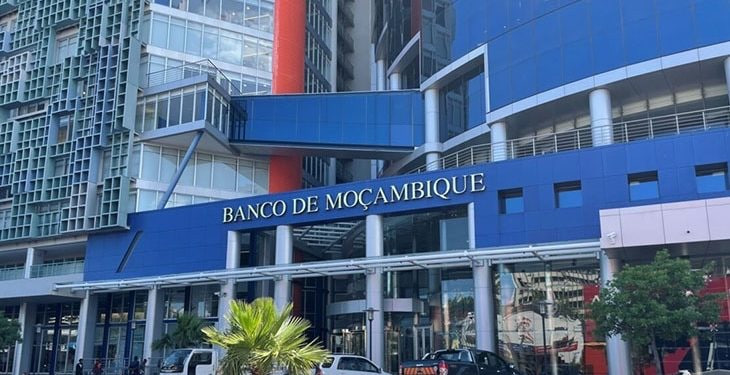
Governor of the Banco de Moçambique announces interest rate decision in Maputo
Mozambique interest rate 2026 remains a key focus as the Banco de Moçambique holds its benchmark rate at 9.25% amid rising inflation risks and global economic uncertainty.
Why Mozambique Paused Interest Rate Cuts
Mozambique’s decision to hold its benchmark rate at 9.25% marks a shift from its earlier policy direction, where the central bank had consistently reduced rates to support economic recovery.
According to Bloomberg, this marks the first pause in rate cuts since November 2023, following a steady decline from 17.25%.
The move reflects growing concerns among policymakers about rising inflation risks, increasing government debt, and uncertainty in the global economic environment.
How Interest Rates Affect Inflation in Mozambique
The relationship between interest rates and inflation remains central to understanding the Mozambique interest rate 2026 decision. When a central bank raises or maintains high interest rates, borrowing becomes more expensive, which typically reduces spending and slows down price increases over time.
In the case of Mozambique, holding the benchmark rate at 9.25% suggests that policymakers are aiming to prevent excess liquidity in the economy. By doing so, they reduce the likelihood of demand-driven inflation, especially at a time when external cost pressures are already rising.
However, maintaining higher rates for longer periods can also slow economic activity, making it more difficult for businesses to access credit and expand operations.
Impact on Businesses and Investors
For businesses and investors, stable interest rates mean borrowing costs are unlikely to fall further in the near term. This could slow down expansion plans, particularly in sectors that rely heavily on credit such as construction, agriculture, and manufacturing.
However, it also reduces the risk of runaway inflation, which can erode profits and weaken consumer purchasing power.
What It Means for Households and Consumers
For households, the decision suggests that while inflation has remained relatively contained, price pressures could gradually increase due to higher import costs, especially for fuel and food-related inputs.
Since Mozambique depends significantly on imports, any sustained rise in global commodity prices will likely translate into higher living costs domestically.
Shift in Monetary Policy Strategy
From a policy perspective, the central bank is signaling that it is now more focused on preserving price stability and protecting the local currency than on aggressively stimulating growth.
This shift is important because it shows authorities are preparing for a more volatile global environment, particularly as geopolitical tensions and energy market disruptions continue to evolve.
IMF Concerns and Exchange Rate Risks
The recommendation by the International Monetary Fund for greater exchange rate flexibility further underscores concerns about external vulnerabilities. A weaker currency could make imports more expensive, feeding inflation, while a stronger, more flexible exchange rate system could help absorb shocks more effectively over time.
Comparison with Global Monetary Policy Trends
Mozambique’s decision aligns with a broader global pattern where central banks are becoming more cautious in response to persistent inflation risks and geopolitical uncertainty.
Across emerging markets, policymakers are increasingly prioritizing inflation control over aggressive economic stimulus. This is particularly relevant as global energy prices remain volatile and supply chain disruptions continue to affect trade flows.
While some countries are still easing monetary policy, others are pausing or tightening to avoid destabilizing their economies. This divergence highlights the complexity of managing inflation in a globally interconnected environment.
Key Factors That will Shape Future Decisions
Looking ahead, several key factors will determine whether Mozambique resumes interest rate cuts or maintains its current stance:
- Global oil and energy price trends, especially in relation to Middle East tensions
- Domestic inflation trajectory, particularly food and transport costs
- Exchange rate stability and foreign reserve levels
- Recovery of major export sectors, including aluminium and natural resources
- Fiscal pressures, including rising government debt
Possible Scenarios for Interest Rates
If inflation begins to rise sharply, the central bank may be forced to tighten monetary policy by increasing rates. On the other hand, if global conditions stabilize and inflation remains under control, policymakers could resume gradual rate cuts to support economic growth.
Inflation Pressures and Economic Risks to Watch
The Mozambique interest rate 2026 outlook is increasingly shaped by a mix of domestic challenges and global economic pressures that could influence inflation in the coming months.
While inflation has remained relatively stable in recent periods, emerging risks suggest that price levels may begin to trend upward if current conditions persist.
One of the biggest concerns is Mozambique’s heavy dependence on imports, particularly for fuel and agricultural inputs such as fertilizers. Any sustained increase in global oil prices, especially due to geopolitical tensions, is likely to translate into higher transportation and production costs within the country. These cost increases often pass through to consumers in the form of higher prices for goods and services.
In addition, climate-related disruptions such as flooding have continued to affect agricultural output, reducing food supply and putting pressure on local markets. At the same time, reduced export earnings from key industries have limited foreign exchange inflows, which can weaken the local currency and further increase import costs.
According to the International Monetary Fund, maintaining exchange rate flexibility will be critical in helping Mozambique absorb external shocks and stabilize its economy over the medium term. These combined factors explain why policymakers are taking a cautious approach despite earlier efforts to stimulate growth.
What Investors Should Watch Going Forward
For investors, the Mozambique interest rate 2026 outlook provides important signals about future economic direction.
Key indicators to monitor include:
- Inflation data and price trends
- Exchange rate movements
- Government fiscal policy and debt levels
- Global oil and commodity prices
Changes in any of these factors could influence the central bank’s next move, whether that involves maintaining the current rate, resuming cuts, or tightening policy.
Investors will also be watching how quickly key sectors recover from recent disruptions, as this will play a major role in shaping economic growth prospects.
Economic Outlook for Mozambique in 2026
Ultimately, Mozambique’s current monetary policy stance highlights the delicate balance many emerging economies face in 2026: supporting recovery while guarding against inflation and external shocks. The coming months will be crucial in determining whether this cautious approach successfully stabilizes the economy or if further policy adjustments become necessary.
FAQs About Mozambique Interest Rate 2026
Why did Mozambique hold its interest rate at 9.25%?
The central bank maintained the rate to manage rising inflation risks, stabilize the currency, and respond to global economic uncertainty.
Is inflation rising in Mozambique?
Inflation has remained relatively low but is showing early signs of increasing due to higher import costs and external pressures.
Will Mozambique cut interest rates in 2026?
Future rate cuts will depend on inflation trends, exchange rate stability, and global economic conditions.
About The Author






1 thought on “Mozambique Interest Rate Outlook: What It Means for Inflation, Growth, and Investors in 2026”