

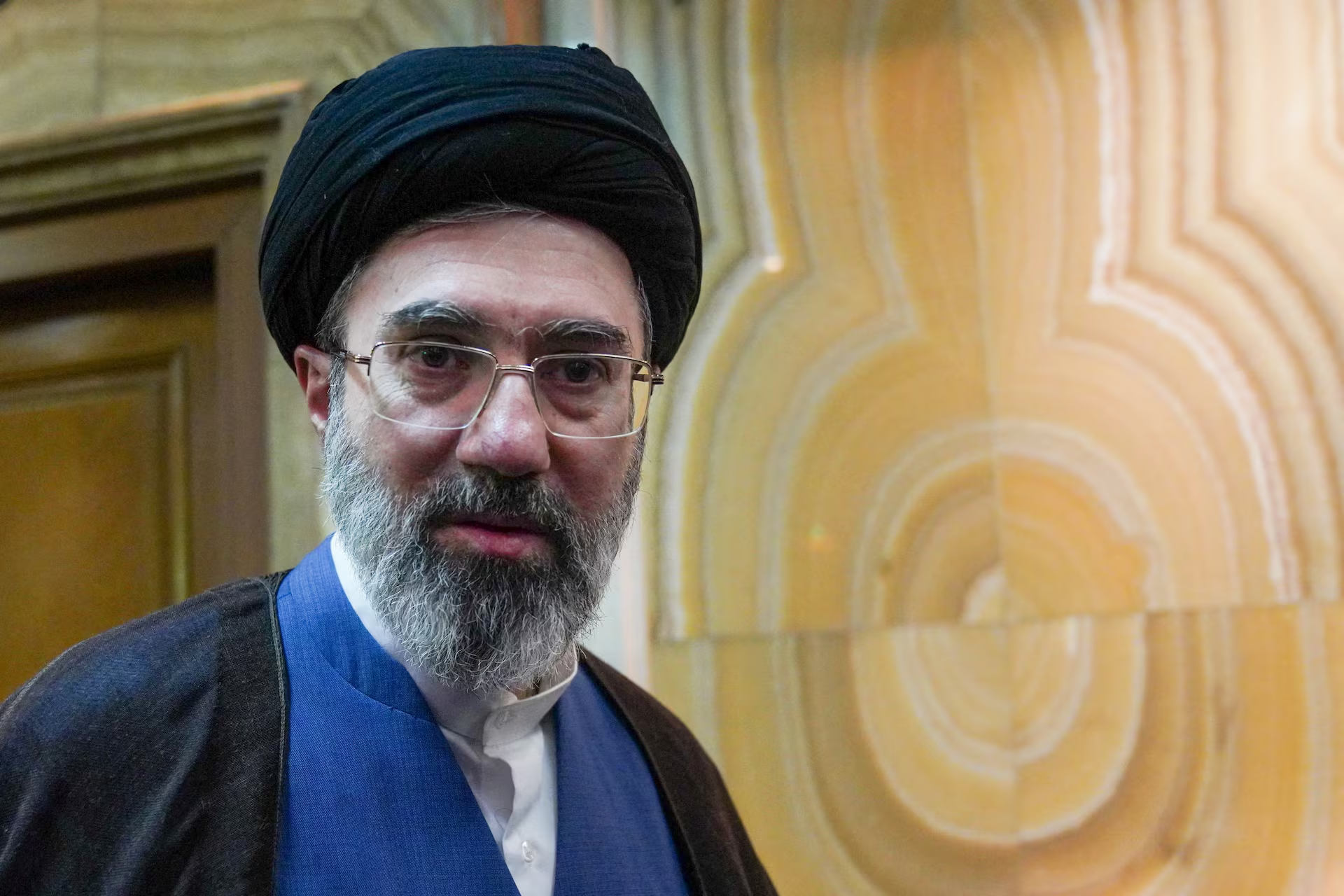
Mojtaba Khamenei has issued his first statement as Iran’s new supreme leader following the assassination of his father, Ayatollah Ali Khamenei, and several family members in US and Israeli strikes that marked the start of the conflict now spreading across the Middle East.
In a message broadcast on Press TV on Thursday, Khamenei called for national unity and affirmed that the Strait of Hormuz, a key global shipping route, would remain closed in defiance of pressure from Iran’s adversaries. He warned that all US bases in the region must be shut down immediately or face attacks, declaring: “We will not refrain from avenging the blood of the martyrs.”
Khamenei emphasized Iran’s willingness to maintain friendly relations with neighboring states, but insisted that strikes on US installations would continue. He added that the country would seek compensation from its enemies, taking their assets if necessary, or destroying equivalent property if repayment was refused. He also called on armed groups in Yemen and Iraq to support the Islamic Revolution.
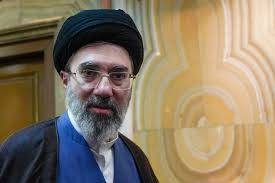
Praising Iran’s military for protecting the nation under attack, Khamenei said: “I would like to thank the brave fighters who are doing a great job at a time when our country is under pressure and under attack,” and vowed that Iran would persist in its fight.
Four days into his leadership, Khamenei’s first public message offered insight into his approach to the ongoing war. Elevated to Ayatollah and hailed by supporters as the “exalted leader” of the Islamic Revolution, he did not appear in video or audio form, instead releasing a written statement read on state television and shared via a new Telegram channel.
The statement combined symbolic references to his predecessors, including Ruhollah Khomeini and Ali Khamenei, reinforcing his claim as the legitimate heir to Iran’s supreme leadership. Khamenei recounted learning of his appointment from state television and described viewing his father’s body, noting his clenched fist as a final act of defiance.
The message underscored a continuation of Iran’s regional strategy: supporting proxy networks, pressuring neighboring countries to close US bases, and threatening further attacks on American interests, signalling the start of a new era under Mojtaba Khamenei’s leadership.
About The Author