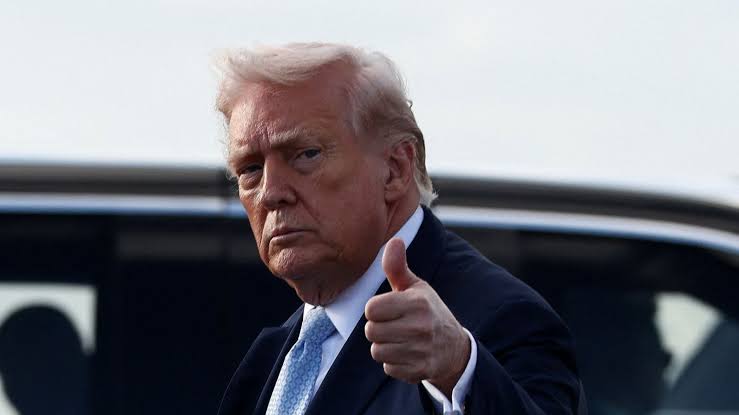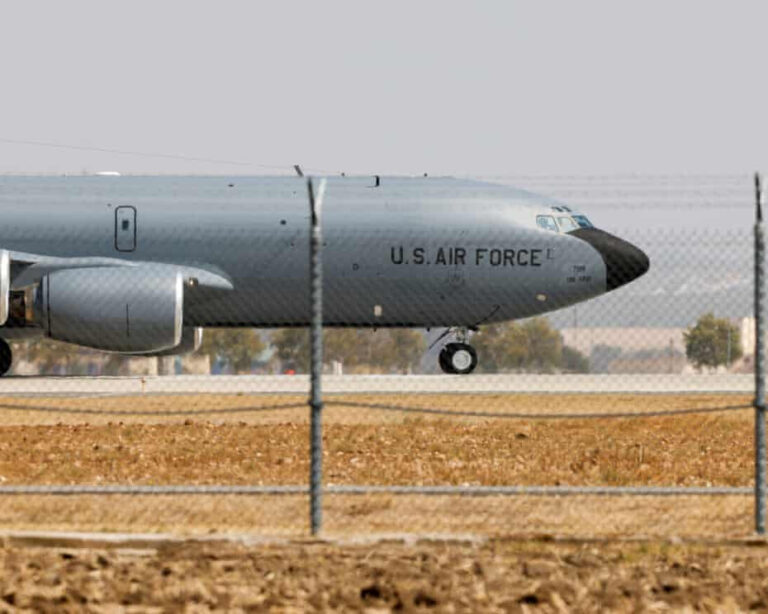


Several key U.S. allies have declined calls by Donald Trump to join a proposed naval coalition aimed at reopening the strategically vital Strait of Hormuz, as tensions linked to the conflict with Iran continue to disrupt global shipping.
According to a report by Reuters, both Japan and Australia indicated on Monday that they do not plan to send naval vessels to the Middle East to escort commercial ships through the waterway.
The strait, which carries a significant portion of the world’s oil exports, has seen major disruptions after Iran threatened vessels attempting to pass through the area.
Trump had been urging allied nations to contribute military support to help secure the channel and ensure the safe movement of oil tankers.
However, officials in Tokyo and Canberra signaled that they were not preparing deployments for such an operation at this time.
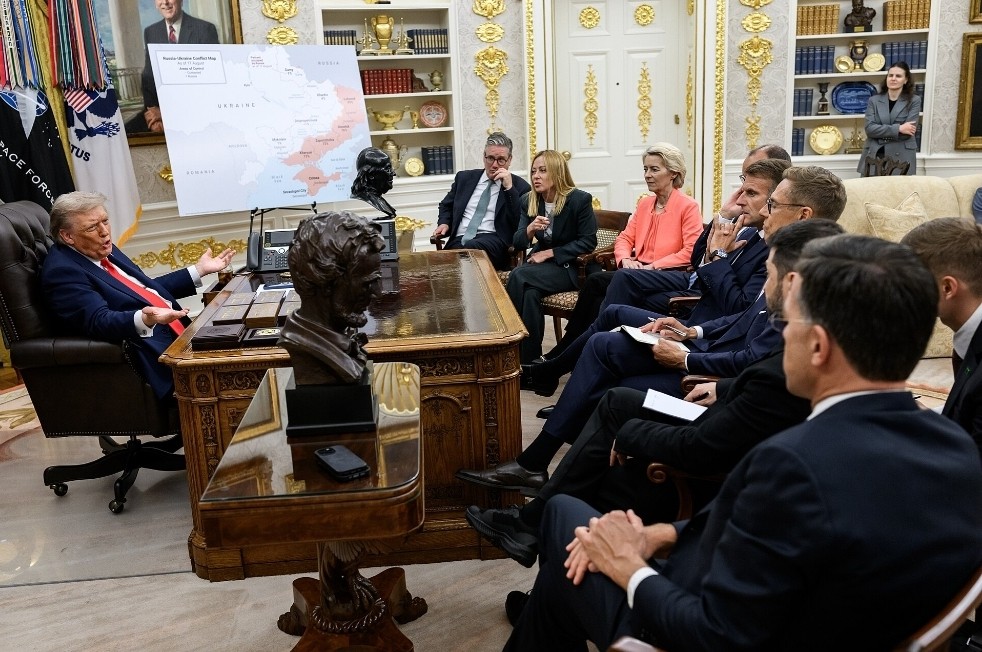
The reluctance from allies also extends to United Kingdom. British Prime Minister Keir Starmer reportedly rejected a request from Trump to send British warships to the Strait of Hormuz.
The move comes as the conflict involving Iran has sharply escalated, prompting concerns about a wider regional confrontation.
British officials have expressed caution about direct military involvement, noting the risk of further inflaming tensions in the region.
Instead, the UK has emphasized diplomatic efforts and the need to stabilize the situation without deepening the conflict.
Similarly, France has also declined to support the proposed naval mission.
French authorities dismissed reports suggesting that Paris was preparing to send warships to the strait, making it clear that the country would not join a military effort as requested by Washington.
The responses from these major allies highlight growing hesitation among Western partners to become directly involved in operations that could escalate hostilities with Iran.
The Strait of Hormuz remains one of the world’s most critical maritime chokepoints, with roughly a fifth of global oil supply typically passing through the narrow waterway.
With shipping traffic already reduced and oil prices climbing, the situation has raised fears of a broader economic shock if the route remains blocked for an extended period.
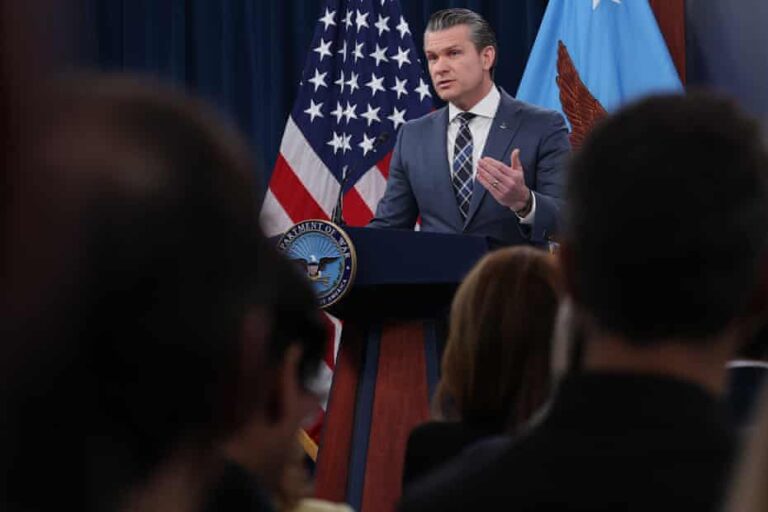
Despite the resistance from allies, the Trump administration continues to push for international cooperation to restore safe passage through the strait.
About The Author