


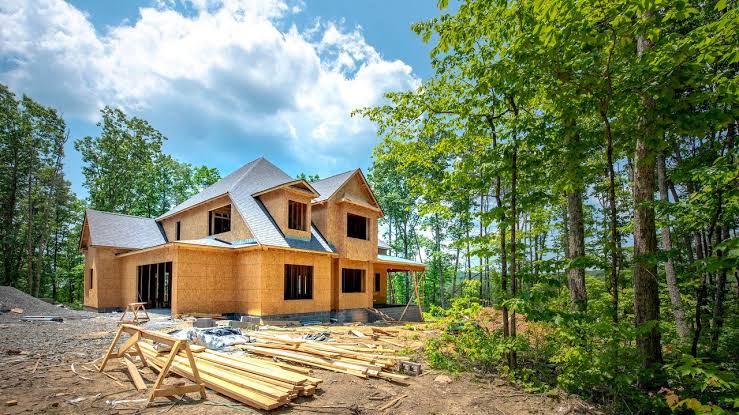
In many countries, there is a legal principle that allows individuals to acquire ownership of land and buildings through continuous possession over a certain period. This concept is often referred to as “adverse possession” or “prescription.” One common timeframe cited in various jurisdictions is 15 years. This article explains how this works, particularly in relation to staying in an uncompleted building, and what the law generally says about it.
What is Adverse Possession?
Adverse possession is a legal doctrine that enables a person who occupies land or property without the owner’s permission to claim legal ownership, provided certain conditions are met. The rationale behind this law is to encourage the productive use of land and to resolve disputes regarding neglected or abandoned properties.
The 15-Year Rule
In many legal systems, if a person occupies land or a building continuously, openly, and without the owner’s consent for a period of 15 years, they may apply to acquire legal ownership. This period can vary depending on the country or state, but 15 years is a common benchmark.
Key Conditions for Adverse Possession
- Continuous Possession: The occupant must live on or use the property without interruption for the entire statutory period (15 years in this case).
- Open and Notorious: The possession must be visible and obvious so that the true owner has the opportunity to take action if they wish.
- Exclusive Possession: The occupant must be the only one using the property, excluding others including the legal owner.
- Hostile Possession: The possession must be without the permission of the owner.
How This Applies to Uncompleted Buildings
If a person occupies an uncompleted building and treats it as their own—living there, maintaining it, and preventing others from entering—they may be able to claim ownership after 15 years. This is especially relevant when the original owner has abandoned the property or has not taken legal action to evict the occupant.
Legal Process to Acquire Ownership
After fulfilling the 15-year continuous possession requirement, the occupant can file a petition in court to recognize their ownership rights. The court will review evidence such as proof of continuous occupation, improvements made, and lack of objection from the original owner.
Important Considerations
- The exact laws and requirements vary by jurisdiction. It is essential to consult local laws or a legal professional.
- Adverse possession does not apply if the property owner gives permission to occupy the property.
- In some cases, paying property taxes during the possession period strengthens the claim.
- The law aims to balance protecting property rights with encouraging the use and development of land.
Conclusion
Owning land and a house through continuous possession without formal payment is possible under the principle of adverse possession, commonly after 15 years of uninterrupted, exclusive, and open occupation. This legal avenue provides a way to claim ownership of abandoned or neglected properties but requires strict adherence to legal conditions and procedures. If you are considering this path, it is advisable to seek professional legal advice to understand specific local laws and ensure your claim is valid.
About The Author