


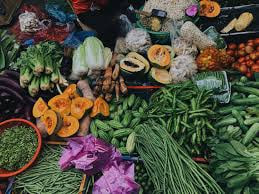
Why Food Prices in Africa Are Rising: How Global Conflicts Are Driving Inflation
Food prices in Africa are rising sharply again, driven not only by local economic conditions but by global disruptions. From Lagos to Nairobi, households are facing higher costs for basic staples as global conflicts disrupt fuel supply, fertiliser availability, and international trade. These pressures are feeding directly into food inflation across the continent.
Food prices in Africa are rising mainly due to global conflicts disrupting supply chains, increasing energy costs, and limiting access to agricultural inputs. For many African economies, this has translated into sustained food inflation and reduced affordability for consumers.
ALSO FROM THE VENT REPUBLIC: African Energy Chamber Threatens Boycott Over Lack of African Representation at London Summit
Food prices in Africa are rising mainly due to global conflicts disrupting supply chains, increasing energy costs, and limiting access to agricultural inputs. For many African economies, this has translated into sustained food inflation and reduced affordability for consumers.
Why Food Prices in Africa Are Rising Again
To understand why food prices in Africa are rising, it is necessary to examine the structure of the continent’s food system.
Most African countries operate within a fragile balance, as highlighted in the World Bank report on African agriculture and food security:
- Heavy reliance on imported food and agricultural inputs
- Limited large-scale mechanised farming
- Weak logistics and storage infrastructure
When global stability is disrupted, this balance weakens quickly. This structural vulnerability is a major reason food inflation in Africa remains persistent.
Recent data shows that food inflation in Nigeria has remained elevated above 30 percent in recent cycles, reflecting sustained pressure on household spending (Nigeria food inflation statistics from the National Bureau of Statistics).
How Global Conflicts Are Driving Food Inflation in Africa
Global conflicts have become a major driver of food prices in Africa, especially through disruptions originating from regions like the Middle East.
Energy Shock
Rising geopolitical tensions often lead to higher oil prices, increasing fuel costs globally (OPEC report on oil prices and their impact on global food markets).
Supply Chain Disruption
Conflicts disrupt shipping routes, delay cargo movement, and increase logistics costs.
Trade Instability
Export restrictions and uncertainty reduce the availability of key commodities.
These combined effects are pushing food inflation in Africa higher (IMF regional economic outlook for Sub-Saharan Africa).
The Role of Fuel Prices in Food Costs in Africa
Energy remains the fastest transmission channel between global conflict and food prices in Africa.
For countries like Nigeria, where refined fuel imports are still significant, rising oil prices have direct consequences:
- Increased transportation costs from farms to markets
- Higher processing and storage expenses
- Rising distribution costs across supply chains
These costs are passed on to consumers, contributing to rising food prices in Africa.
Fertiliser Shortages and Agricultural Output in Africa
Fertiliser shortages are another major factor behind rising food prices in Africa.
The continent imports a large share of its fertiliser. When global conflicts disrupt supply:
- Prices increase sharply
- Farmers reduce usage
- Crop yields decline
This creates a delayed inflation effect, where reduced harvests push food prices in Africa even higher in subsequent seasons (FAO Food Price Index).
Import Dependency and Supply Chain Risks in Africa
Africa’s dependence on imported staples remains a key vulnerability.
Many countries rely on global markets for wheat, rice, and maize. When supply chains are disrupted:
- Shipping costs rise
- Delivery delays increase
- Supply shortages occur
Governments often respond with subsidies or price adjustments, but the impact still leads to higher food inflation in Africa.
Why Nigeria and Other African Economies Are Vulnerable
Currency weakness further intensifies food inflation in Africa.
As global uncertainty increases, many African currencies depreciate, making imports more expensive. In economies like Nigeria, this creates a compounding effect:
- Higher global commodity prices
- Weaker exchange rates
- Increased domestic food prices
This explains why food prices in Africa often rise faster than in other regions during global crises (IMF regional economic outlook for Sub-Saharan Africa).
Who Gains and Who Loses from Rising Food Prices in Africa
Global conflicts create uneven economic outcomes.
Short-Term Gains
Oil-exporting nations may benefit from higher crude prices and increased revenues.
Wider Economic Pressure
However, the broader impact includes:
- Rising food costs for households
- Increased production costs for farmers
- Higher fiscal pressure on governments
For most citizens, the surge in food prices in Africa remains a significant burden.
Long-Term Impact on Food Security in Africa
The sustained rise in food prices in Africa presents long-term risks:
- Persistent food inflation
- Declining agricultural productivity
- Increased reliance on imports
This elevates the issue into a structural food security challenge across the continent (WFP report on food security challenges in Africa).
What African Governments Must Do to Curb Food Inflation
Addressing food prices in Africa requires long-term structural reforms.
Strengthen Local Production
Investment in agriculture can reduce dependence on imports.
Develop Local Fertiliser Capacity
Local production can stabilise supply and reduce costs.
Improve Logistics and Storage
Better infrastructure can reduce post-harvest losses.
Diversify Trade Partnerships
Expanding trade networks reduces exposure to global shocks.
A Defining Moment for Africa’s Food Economy
The rise in food prices in Africa highlights the continent’s exposure to global disruptions.
Conflicts far from African borders are shaping the cost of everyday food items. Without structural reforms, this trend will persist.
Final Thought on Food Prices in Africa
Food prices in Africa are no longer driven solely by domestic factors. They are part of a global system influenced by conflict, energy markets, and supply disruptions.
Understanding these dynamics is critical. Addressing them will determine Africa’s economic resilience in the years ahead.
FAQs: Food Prices in Africa
Why are food prices rising in Africa?
Food prices in Africa are rising due to global conflicts disrupting fuel supply, fertiliser availability, and international trade, alongside local economic challenges.
How do global conflicts affect food prices in Africa?
They increase energy costs, disrupt supply chains, and reduce access to key agricultural inputs, leading to higher food inflation (FAO Food Price Index).
Why is food inflation higher in Nigeria?
In Nigeria, reliance on imports, currency depreciation, and fuel costs contribute to higher food inflation (Nigeria food inflation statistics from the National Bureau of Statistics).
About The Author





1 thought on “Why Food Prices in Africa Are Rising: How Global Conflicts Are Driving Inflation”