


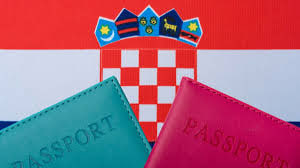
Croatia work visa reforms 2026 are set to reshape the country’s immigration system as authorities move to tackle labour shortages and attract more foreign workers. The proposed changes aim to create a more flexible and structured work permit framework, making it easier for international talent to live and work in Croatia.
These reforms are expected to take effect later in 2026 and are part of broader efforts to strengthen key sectors of the economy, particularly tourism, construction, and hospitality.
Croatia Work Visa Reforms 2026: Why the Changes Are Happening
The upcoming Croatia work visa reforms 2026 are largely driven by persistent labour shortages across major industries. Like many European countries, Croatia is experiencing a steady outflow of local workers seeking opportunities elsewhere within the European Union.
This has created significant gaps in the workforce, forcing businesses to increasingly rely on foreign labour. By updating its immigration policies, Croatia hopes to remain competitive in attracting both skilled and semi-skilled workers.
READ ALSO: Nigeria Capital Importation Hits $6.44 Billion in Q4 2025
Longer Work Permits Under Croatia Work Visa Reforms 2026
One of the most important updates in the Croatia work visa reforms 2026 is the extension of work permit validity.
Under the proposed system:
- Work permits could be issued for up to three years
- Renewal processes will become less frequent
- Workers gain more stability and long-term planning ability
This change is expected to reduce administrative stress for employers while giving foreign workers greater job security.
Job Mobility Improvements for Foreign Workers
Another major highlight of the Croatia work visa reforms 2026 is increased job mobility.
Foreign workers may soon be allowed to:
- Change employers after 12 months
- Transition more easily within the labour market
- Avoid being tied to a single employer
Previously, work permits were heavily restricted, limiting flexibility. This reform is expected to improve labour market efficiency and make Croatia a more attractive destination for international workers.
Language Requirement in Croatia Work Visa Reforms 2026
Authorities are also proposing a basic Croatian language requirement as part of the Croatia work visa reforms 2026.
Key details include:
- A1-level Croatian language test
- Required for permit renewal after one year
- Designed to support integration, not restrict access
The goal is to help foreign workers communicate effectively, adapt to daily life, and integrate into Croatian society.
Croatia Expands Digital Nomad and Worker Support Programs
The Croatia work visa reforms 2026 build on earlier immigration updates, including improvements to the country’s digital nomad visa program.
In 2025:
- Digital nomad visas were extended from 12 to 18 months
- Options for further extensions were introduced
Additionally, the government has committed to supporting language education. In 2024, authorities in Zagreb announced funding to support Croatian language training for foreign workers, with contributions expected from employers and local communities.
What Croatia Work Visa Reforms 2026 Mean for Foreign Workers
For prospective migrants, the Croatia work visa reforms 2026 signal a more predictable and accessible system.
Key benefits include:
- Longer stay with fewer renewals
- Greater job flexibility
- Clearer compliance requirements
- Better integration support
These changes position Croatia as an increasingly attractive entry point into the European labour market.
Key Takeaways
- Croatia plans major immigration reforms in 2026
- Work permits may be extended to three years
- Foreign workers could change jobs after 12 months
- A basic Croatian language test may be introduced
- Reforms aim to address labour shortages and attract talent
Bottom Line
The Croatia work visa reforms 2026 reflect a strategic shift toward a more flexible and worker-friendly immigration system. While the country seeks to attract foreign talent, it is also placing greater emphasis on integration and long-term participation in the economy.
As labour shortages persist across Europe, Croatia’s approach highlights the growing competition for global talent and the need for policies that balance accessibility with sustainability.
About The Author






1 thought on “Croatia Work Visa Reforms 2026: What Foreign Workers Should Know”